Ethylparaben → Ethyl 4-hydroxy-3-iodobenzoate
Reaction equation

[OH:1][C:2]1[CH:12]=[CH:11][C:5]([C:6]([O:8][CH2:9][CH3:10])=[O:7])=[CH:4][CH:3]=1.[I:13]Cl>CC(O)=O>[OH:1][C:2]1[CH:3]=[CH:4][C:5]([C:6]([O:8][CH2:9][CH3:10])=[O:7])=[CH:11][C:12]=1[I:13]Participants
4
Reactant 2

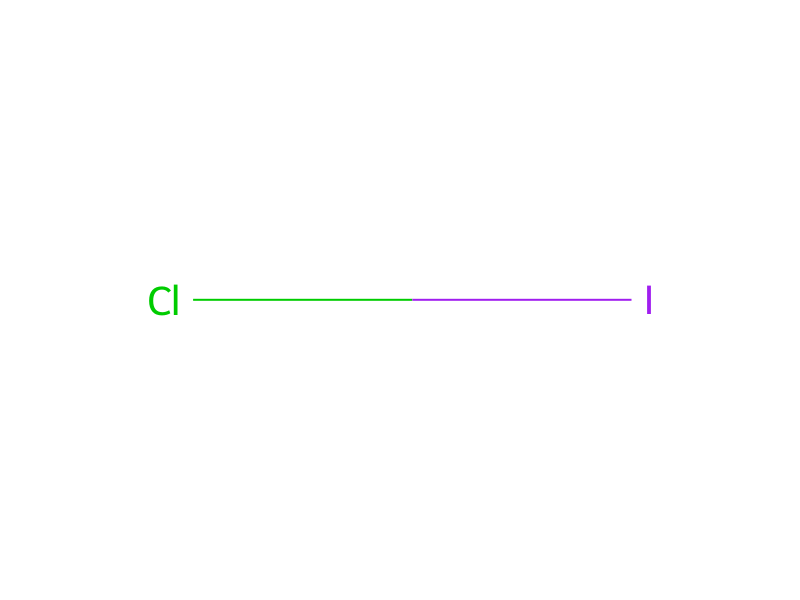
Product 1

Reagents, catalysts & solvents 1

Conditions
- Temperature
- 65 °C
Procedure
Dissolve ethyl 4-hydroxy-benzoate (102.2 g, 0.61 mol) in AcOH (200 mL) at 65° C. Add dropwise a solution of ICl (100 g, 0.61 moles) in AcOH (500 mL). After the addition, stir the mixture at 65° C. for 6 hours. Pour the mixture into ice/water, filter and wash the solid with water. Dissolve the solid in CH2Cl2, dry it over MgSO4, filter and concentrate under reduced pressure. Subject residue to silica gel chromatography eluting with CH2Cl2 to obtain 131.3 g of ethyl 4-hydroxy-3-iodo-benzoate (74% yield).
Workup
- additionAfter the addition
- filtrationfilter
- washwash the solid with water
- dissolutionDissolve the solid in CH2Cl2
- dry with materialdry it over MgSO4
- filtrationfilter
- concentrationconcentrate under reduced pressure
- washSubject residue to silica gel chromatography eluting with CH2Cl2
Sources & evidence
- ORD record
- ord-594c3669523e49029ffd5a559400dca9
- Source dataset
- uspto-grants-2012_01
- Patent number
- US08097652B2
Reaction notes
Loading…