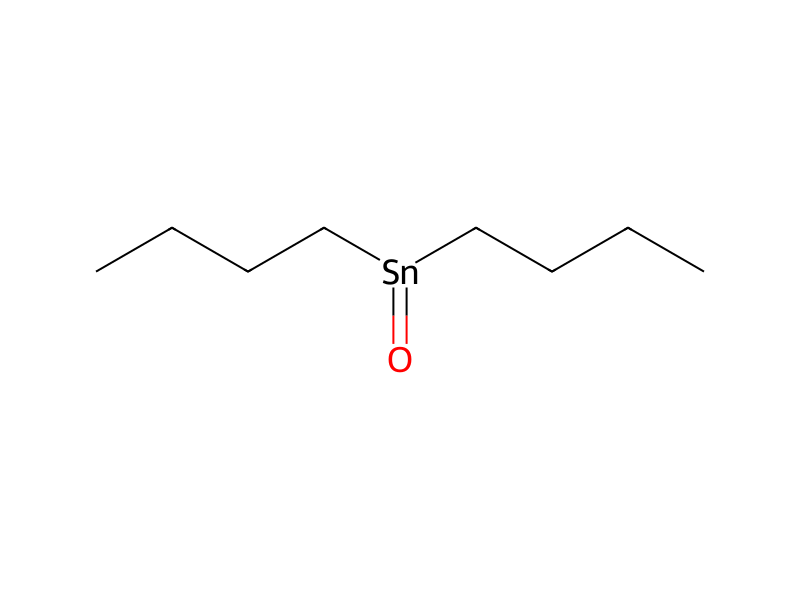
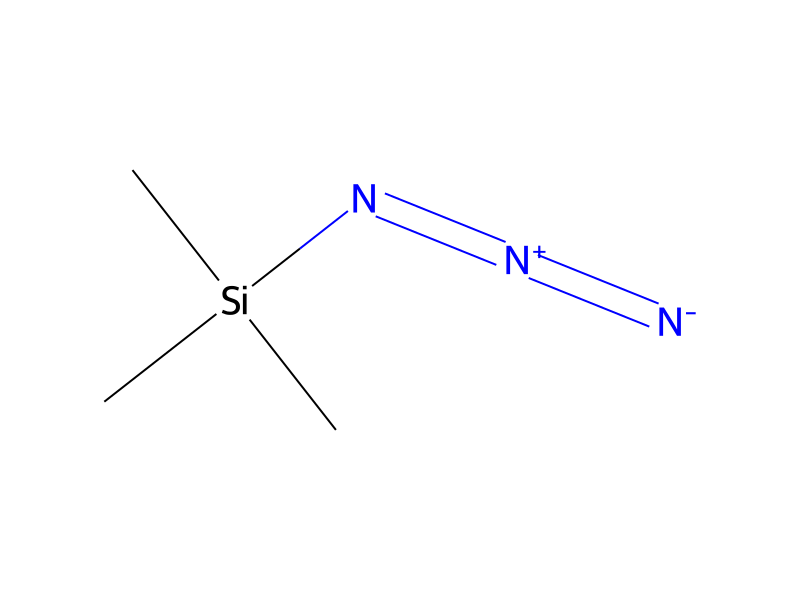
Dibutyltin oxide → 2,2-Dimethylpropyl 4-[4-(tetrazol-5-yl)pyridin-2-yl]-1-piperazinecarboxylate
Reaction equation

[C:1]([C:3]1[CH:8]=[CH:7][N:6]=[C:5]([N:9]2[CH2:14][CH2:13][N:12]([C:15]([O:17][CH2:18][C:19]([CH3:22])([CH3:21])[CH3:20])=[O:16])[CH2:11][CH2:10]2)[CH:4]=1)#[N:2].C[Si]([N:27]=[N+:28]=[N-:29])(C)C.C([Sn](=O)CCCC)CCC>C1(C)C=CC=CC=1>[NH:27]1[C:1]([C:3]2[CH:8]=[CH:7][N:6]=[C:5]([N:9]3[CH2:10][CH2:11][N:12]([C:15]([O:17][CH2:18][C:19]([CH3:22])([CH3:21])[CH3:20])=[O:16])[CH2:13][CH2:14]3)[CH:4]=2)=[N:2][N:29]=[N:28]1Participants
5



Procedure
2,2-Dimethylpropyl 4-(4-cyanopyridin-2-yl)piperazine-1-carboxylate (120 mg) obtained in Example 2 was dissolved in toluene (5 mL), and trimethylsilylazide (0.105 mL) and a catalytic amount of dibutyltin (IV) oxide were added thereto and heated under reflux for 8 hours. The solvent was evaporated away, and the resulting residue was isolated and purified through thin-layer silica gel chromatography (chloroform/methanol=9/1) to obtain 16.5 mg of the entitled compound as a colorless solid.
Workup
- temperatureheated
- temperatureunder reflux for 8 hours
- customThe solvent was evaporated away
- customthe resulting residue was isolated
- custompurified through thin-layer silica gel chromatography (chloroform/methanol=9/1)
Sources & evidence
- ORD record
- ord-887f244e88704eea9764d26b43a9dc3b
- Source dataset
- uspto-grants-2012_01
- Patent number
- US08101618B2
Reaction notes
Loading…