Diethyl Carbonate → Ethyl 2-[5-(morpholin-4-ylmethyl)pyridin-2-yl]acetate
Reaction equation

[CH3:1][C:2]1[N:7]=[CH:6][C:5]([CH2:8][N:9]2[CH2:14][CH2:13][O:12][CH2:11][CH2:10]2)=[CH:4][CH:3]=1.[CH2:15]([O:17][C:18](=O)[O:19]CC)[CH3:16].C([N-]C(C)C)(C)C.[Li+].[Cl-].[NH4+]>O1CCCC1>[CH2:15]([O:17][C:18](=[O:19])[CH2:1][C:2]1[CH:3]=[CH:4][C:5]([CH2:8][N:9]2[CH2:14][CH2:13][O:12][CH2:11][CH2:10]2)=[CH:6][N:7]=1)[CH3:16]Participants
Reactant 4
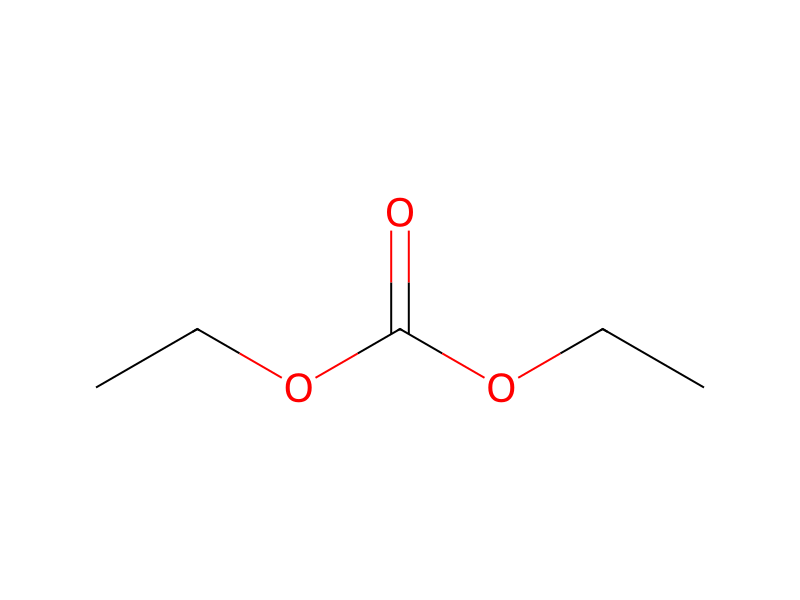



Product 1

Reagents, catalysts & solvents 1

Conditions
- Temperature
- -13 °C
Procedure
4-(6-Methyl-pyridin-3-ylmethyl)-morpholine (20 g, 104 mmol) and diethylcarbonate (12.4 g, 104 mmol) were dissolved in tetrahydrofuran (100 ml) under an inert atmosphere. The solution was cooled to −13° C. and lithium diisopropylamide solution (144 ml, 1.8M, 259 mmol) added dropwise over 2 hr 45 min. After stirring for an additional 30 min the reaction mixture was added to a cold aqueous solution of ammonium chloride (68.2 ml, 4.58M, 312.1 mmol) at 0° C. The biphasic mixture was warm to 30° C. and separated. The aqueous layer was extracted twice with tetrahydrofuran (80 ml) and the combined organic layers were concentrated under vacuum to give (5-Morpholin-4-ylmethyl-pyridin-2-yl)-acetic acid ethyl ester (27.20 g, 80% yield (based on 80.7 w/w % assay). (The crude product mixture is used in example 8). Characterisation data were in accordance with example 5.
Workup
- temperatureThe biphasic mixture was warm to 30° C.
- customseparated
- extractionThe aqueous layer was extracted twice with tetrahydrofuran (80 ml)
- concentrationthe combined organic layers were concentrated under vacuum
Sources & evidence
- ORD record
- ord-1025fe761f6d4b13a26b7813bc09b32e
- Source dataset
- uspto-grants-2012_01
- Patent number
- US08101750B2
Reaction notes
Loading…