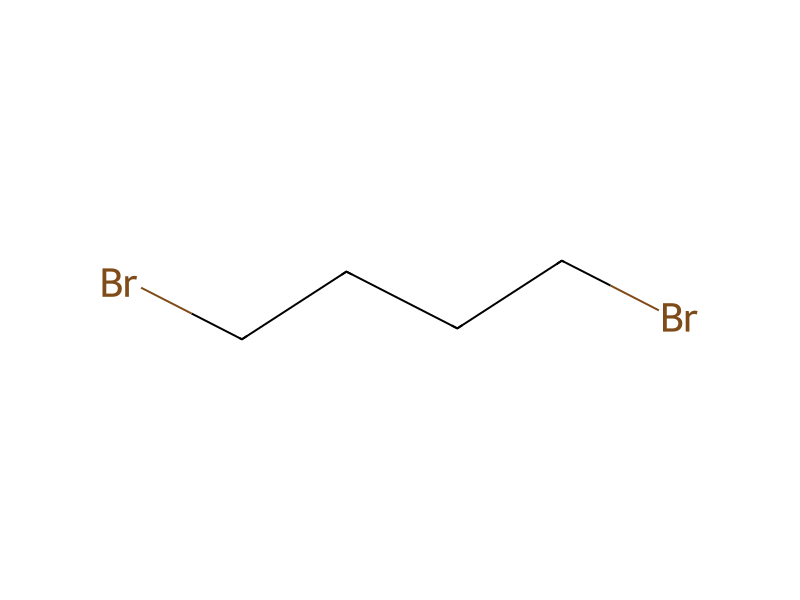
1,4-Dibromobutane → 4-chloro-2-{[(1S*,2S*)-2-pyrrolidin-1-ylcyclohexyl]amino}benzonitrile
Reaction equation

C(=O)([O-])[O-].[Na+].[Na+].Br[CH2:8][CH2:9][CH2:10][CH2:11]Br.[NH2:13][C@H:14]1[CH2:19][CH2:18][CH2:17][CH2:16][C@@H:15]1[NH:20][C:21]1[CH:28]=[C:27]([Cl:29])[CH:26]=[CH:25][C:22]=1[C:23]#[N:24]>C(#N)C>[Cl:29][C:27]1[CH:26]=[CH:25][C:22]([C:23]#[N:24])=[C:21]([NH:20][C@H:15]2[CH2:16][CH2:17][CH2:18][CH2:19][C@@H:14]2[N:13]2[CH2:11][CH2:10][CH2:9][CH2:8]2)[CH:28]=1Participants
5




Procedure
Sodium carbonate and 1,4-dibromobutane were added to an acetonitrile solution of 2-{[(1S*,2S*)-2-aminocyclohexyl]amino}-4-chlorobenzonitrile, followed by heating under reflux for 2 days. By post-treating the reaction liquid, 4-chloro-2-{[(1S*,2S*)-2-pyrrolidin-1-ylcyclohexyl]amino}benzonitrile was obtained.
Workup
- temperatureby heating
- temperatureunder reflux for 2 days
- additionBy post-treating
- customthe reaction liquid
Sources & evidence
- ORD record
- ord-ab198210ab394fe1b73f65e35dc883b8
- Source dataset
- uspto-grants-2012_01
- Patent number
- US08106190B2
Reaction notes
Loading…