Formaldehyde → HCID 23452116, compound
Reaction equation

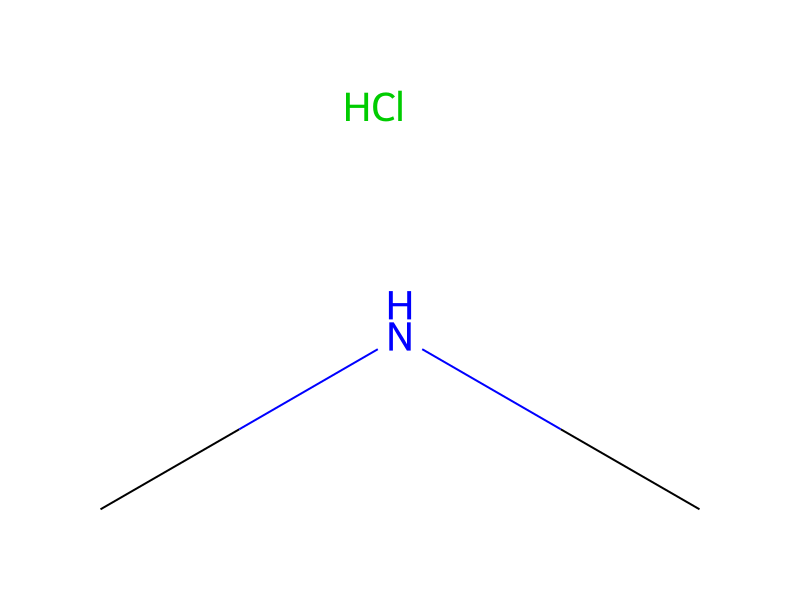
[O:1]1[CH:5]=[CH:4][CH:3]=[C:2]1[CH2:6][CH2:7][CH2:8][CH2:9][N:10]1[C:18](=[O:19])[C:17]2[C:12](=[CH:13][CH:14]=[CH:15][CH:16]=2)[C:11]1=[O:20].[CH2:21]=O.Cl.[CH3:24][NH:25][CH3:26]>C(O)C>[CH3:24][N:25]([CH2:21][C:5]1[O:1][C:2]([CH2:6][CH2:7][CH2:8][CH2:9][N:10]2[C:18](=[O:19])[C:17]3[C:12](=[CH:13][CH:14]=[CH:15][CH:16]=3)[C:11]2=[O:20])=[CH:3][CH:4]=1)[CH3:26]Participants
5
Reactant 3


Product 1

Reagents, catalysts & solvents 1

Procedure
2-[4-(2-Furanyl)butyl]-1H-isoindole-1,3(2H)-dione (5.38 g), paraformaldehyde (1.2 g) and dimethylamine hydrochloride (3.26 g) were refluxed in absolute ethanol (100 ml). After 6 hr further paraformaldehyde (0.6 g) and dimethylamine hydrochloride (1.6 g) were added and heating continued for a further 20 hr. The solvent was removed, the residue made strongly basic with 5 N sodium hydroxide, extracted with ethyl acetate and the organic layer evaporated. The crude product was purified by column chromatography to give an amber oil (3.25 g) Rf 0.4 silica/methanol. NMR (CDCl3) 8-8.6 m (4H); 7.75 s (6H); 7.3 m (2H); 6.55 s (2H); 6.3 m (2H); 4.0 m (2H); 1.9-2.4 m (4H).
Workup
- temperatureheating
- customThe solvent was removed
- extractionextracted with ethyl acetate
- customthe organic layer evaporated
- customThe crude product was purified by column chromatography
Sources & evidence
- ORD record
- ord-b58f531293624a8ea4e49090a2e64c7e
- Source dataset
- uspto-grants-1979_10
- Patent number
- US04169855
Reaction notes
Loading…