Hydrochloric Acid → 1-Methyl-3,5-diphenylpyrazole
Reaction equation

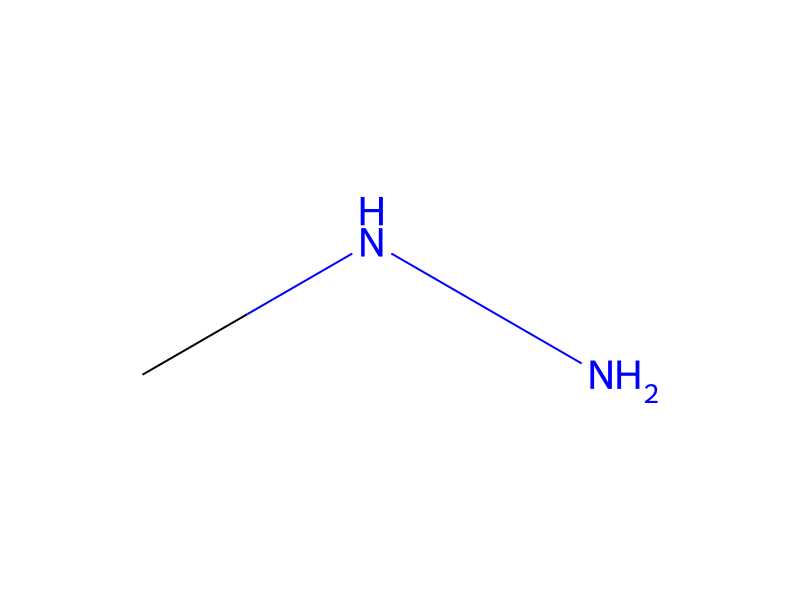
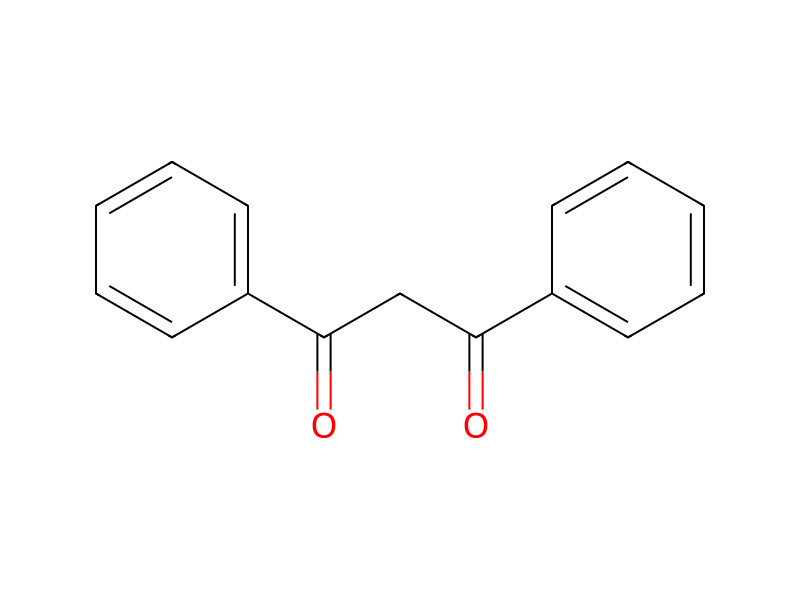
[C:1]([CH2:9][C:10](=O)[C:11]1[CH:16]=[CH:15][CH:14]=[CH:13][CH:12]=1)(=O)[C:2]1[CH:7]=[CH:6][CH:5]=[CH:4][CH:3]=1.[CH3:18][NH:19][NH2:20].Cl.C([O-])(=O)C.[Na+]>O.N1C=CC=CC=1>[CH3:18][N:19]1[C:1]([C:2]2[CH:7]=[CH:6][CH:5]=[CH:4][CH:3]=2)=[CH:9][C:10]([C:11]2[CH:16]=[CH:15][CH:14]=[CH:13][CH:12]=2)=[N:20]1Participants
7
Reactant 4


Product 1

Reagents, catalysts & solvents 2


Conditions
- Temperature
- 80 °C
Procedure
545.0 Grams (2.43 moles) of dibenzoylmethane and 533 ml. of pyridine are stirred together and heated to 80° C. 112 Grams (2.43 moles) of methylhydrazine are then slowly added to the mixture and a strong exothermic reaction ensues necessitating cooling of the mixture with a water bath. When addition is complete, the mixture is heated to reflux and maintained in this condition for 40 minutes. The mixture is then cooled to 30° C., poured into 19 liters of 3 N HCl, filtered, and the solid collected. This is reslurried in 198 grams (2.43 moles) of sodium acetate dissolved in 19 liters of water. The mixture is filtered, water washed and air dried to give 535 grams of product, 94.5% yield, having melting point 58° C. to 59° C.
Workup
- customa strong exothermic reaction
- temperatureensues necessitating cooling of the mixture with a water bath
- additionWhen addition
- temperaturethe mixture is heated
- temperatureto reflux
- temperaturemaintained in this condition for 40 minutes
- temperatureThe mixture is then cooled to 30° C.
- filtrationfiltered
- customthe solid collected
- filtrationThe mixture is filtered
- washwater washed
- customair dried
Sources & evidence
- ORD record
- ord-8f2b71ce04214e3386ae04c1fc2ee211
- Source dataset
- uspto-grants-1979_10
- Patent number
- US04170464
Reaction notes
Loading…