Hydrochloric Acid → HCID 70608403, compound
Reaction equation

C([N:8]1[CH2:16][CH:15]2[C:10](=[C:11]([C:22]3[CH:27]=[CH:26][CH:25]=[CH:24][CH:23]=3)[C:12]3[CH:20]=[C:19]([CH3:21])[CH:18]=[CH:17][C:13]=3[CH2:14]2)[CH2:9]1)C1C=CC=CC=1.[BH4-].[Na+].Cl>O.C(O)C.Cl[Pd]Cl>[CH3:21][C:19]1[CH:18]=[CH:17][C:13]2[CH2:14][CH:15]3[CH:10]([CH:11]([C:22]4[CH:27]=[CH:26][CH:25]=[CH:24][CH:23]=4)[C:12]=2[CH:20]=1)[CH2:9][NH:8][CH2:16]3Participants






Procedure
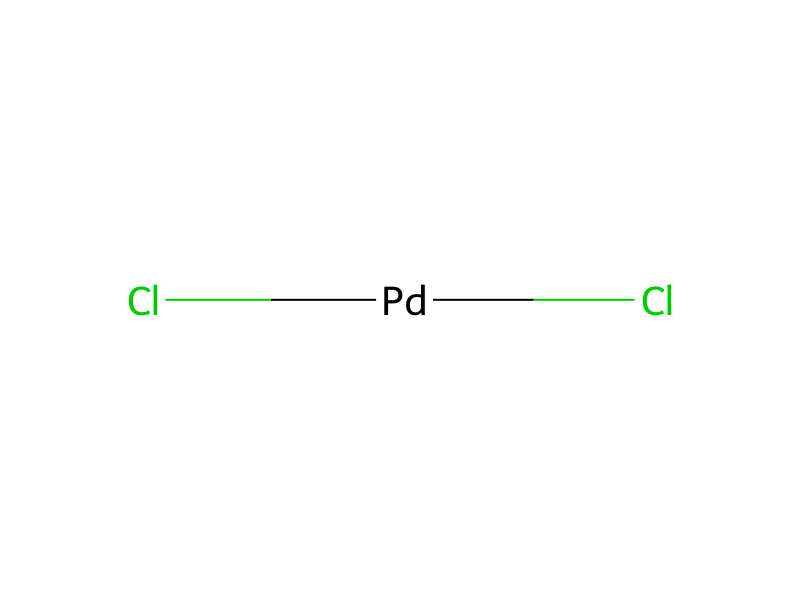
A solution of 0.55 g of palladium-II-chloride and 0.39 g of common salt in 50 cc of water is added at 25° to a solution of 35.2 g of (9aRS)-2-benzyl-9,9a-dihydro-6-methyl-4-phenyl-benz[f]isoindoline in 300 cc of ethanol. A solution of 2.0 g of sodium borohydride in 25 cc of water is added dropwise to the mixture at 0°, stirring is effected at 25° for 30 minutes, the pH of the solution is adjusted to 2 with aqueous concentrated hydrochloric acid, and hydrogenation is finally effected at 60° and a pressure of 4 atmospheres for 18 hours. The reaction mixture is filtered, the filtrate is concentrated, the residue is extracted with hot ethanol, and the clear solution is allowed to cool, whereby the hydrochloride salt form of the title compound, having a M.P. of 215°-220° (from methanol/ether), crystallizes.
Workup
- customis finally effected at 60°
- waita pressure of 4 atmospheres for 18 hours
- filtrationThe reaction mixture is filtered
- concentrationthe filtrate is concentrated
- extractionthe residue is extracted with hot ethanol
- temperatureto cool
- customcrystallizes
Sources & evidence
- ORD record
- ord-e00f0e98cc954fb58288be676204dfe5
- Source dataset
- uspto-grants-1979_10
- Patent number
- US04171369
Reaction notes
Loading…