3,4-Dimethoxy-6-nitrobenzamide → 2-Amino-4,5-dimethoxybenzamide
Reaction equation

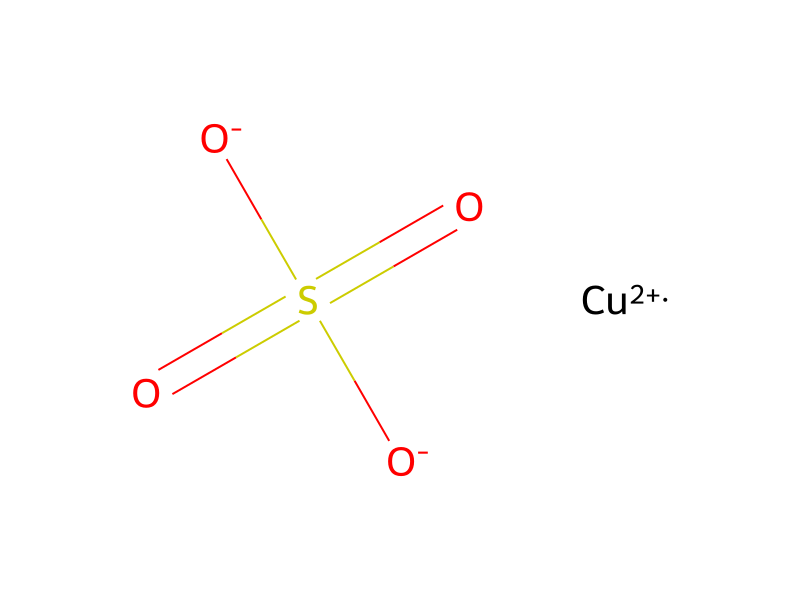
[CH3:1][O:2][C:3]1[C:11]([O:12][CH3:13])=[CH:10][C:6]([C:7]([NH2:9])=[O:8])=[C:5]([N+:14]([O-])=O)[CH:4]=1.[BH4-].[Na+]>S([O-])([O-])(=O)=O.[Cu+2]>[CH3:1][O:2][C:3]1[C:11]([O:12][CH3:13])=[CH:10][C:6]([C:7]([NH2:9])=[O:8])=[C:5]([NH2:14])[CH:4]=1Participants
4
Reactant 2


Product 1

Reagents, catalysts & solvents 1
Procedure
Specifically, 4,5-dimethoxy-2-nitrobenzoic acid (compound 1) was treated with thionyl chloride to form acid chloride, followed by reacting with ammonia to yield 4,5-dimethoxy-2-nitrobenzamide (compound 2). Compound 2 was reduced with sodium borohydride in the presence of catalytic amounts of copper sulphate to give 4,5-dimethoxy-2-aminobenzamide (compound 3), which was directly refluxed with formic acid to yield 6,7-dimethoxyquinazoline-4(3H)-one (compound 4). Compound 4 was refluxed with phosphorus oxytrichloride to give 4-chloro-6,7-dimethoxyquinazoline (compound 5) in good yield.
Sources & evidence
- ORD record
- ord-75a3ba0e6a6c46be8785545218f6d789
- Source dataset
- uspto-grants-2001_11
- Patent number
- US06316454B1
Reaction notes
Loading…