Phosphoric Acid → Tricalcium Phosphate
Reaction equation

C(=O)([O-])[O-].[Ca+2:5].[P:6](=[O:10])([OH:9])([OH:8])[OH:7]>O>[P:6]([O-:10])([O-:9])([O-:8])=[O:7].[Ca+2:5].[P:6]([O-:10])([O-:9])([O-:8])=[O:7].[Ca+2:5].[Ca+2:5]Participants
4
Reactant 2

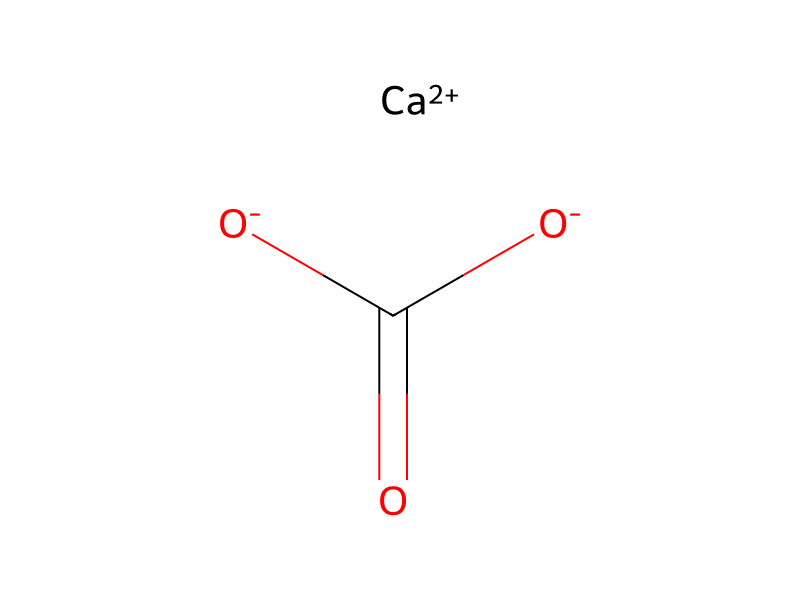
Product 1

Reagents, catalysts & solvents 1

Procedure
For example, an aqueous-suspension of calcium carbonate as a support and a dilute aqueous solution of phosphoric acid are mixed in water so that an atomic ratio of Ca/P becomes not more than 33.3 under the following mixing conditions. The mixture is then aged under the following conditions to obtain an aqueous slurry of a calcium phosphate compound, followed by dehydration or without dehydration, drying under drying conditions at not higher than 700° C., and crushing.
Workup
- additionfollowing mixing conditions
Sources & evidence
- ORD record
- ord-d458dd0ef7e14bb391e8403165673470
- Source dataset
- uspto-grants-2003_12
- Patent number
- US06663948B1
Reaction notes
Loading…