Triethylamine → HCID 21455430, compound
Reaction equation

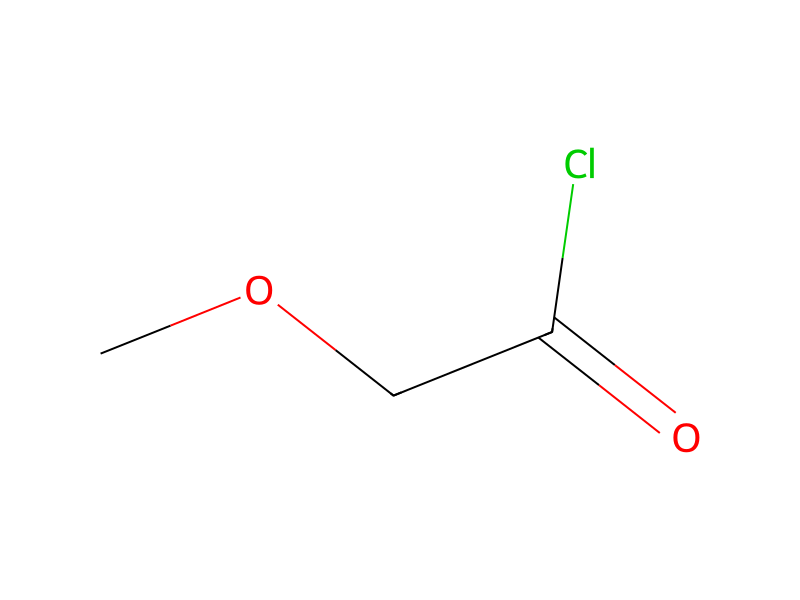
[C:1]([C:5]1[S:9][C:8]([N:10]2[CH:15]([OH:16])[CH2:14][CH2:13][N:12]([CH3:17])[C:11]2=[O:18])=[N:7][N:6]=1)([CH3:4])([CH3:3])[CH3:2].C(N(CC)CC)C.[CH3:26][O:27][CH2:28][C:29](Cl)=[O:30]>C1C=CC=CC=1>[C:1]([C:5]1[S:9][C:8]([N:10]2[CH:15]([O:16][C:29](=[O:30])[CH2:28][O:27][CH3:26])[CH2:14][CH2:13][N:12]([CH3:17])[C:11]2=[O:18])=[N:7][N:6]=1)([CH3:4])([CH3:2])[CH3:3]Participants
5



Procedure
Tetrahydro-1-(5-t-butyl-1,3,4-thiadiazol-2-yl)- 3-methyl-6-hydroxy-2(1H)-pyrimidinone (0.05 mole), triethylamine (0.06 mole) and benzene (50 ml) are charged into a glass reaction vessel equipped with a mechanical stirrer, thermometer and reflux condenser. Methoxyacetyl chloride (0.05 mole) is then added dropwise with stirring. After the addition is completed, the reaction mixture is heated at reflux with continued stirring for a period of about 30 minutes. After this time the reaction mixture is filtered and the filtrate is stripped of solvent under reduced pressure to yield the desired product tetrahydro-1-(5-t-butyl-1,3,4-thiadiazol- 2-yl)-3-methyl-6-methoxyacetyloxy-2(1H)-pyrimidinone as the residue.
Workup
- customequipped with a mechanical stirrer
- temperaturethermometer and reflux condenser
- additionAfter the addition
- temperaturethe reaction mixture is heated
- temperatureat reflux
- stirringwith continued stirring for a period of about 30 minutes
- filtrationAfter this time the reaction mixture is filtered
Sources & evidence
- ORD record
- ord-d508e67f09a2422f8170b43639a8b8b8
- Source dataset
- uspto-grants-1977_02
- Patent number
- US04006009
Reaction notes
Loading…