Anisole → HCID 131710642, compound
Reaction equation

[C:1]([O:4][CH2:5][C:6]1[CH2:7][S:8][C@@H:9]2[C@:20]([O:52][CH3:53])([NH:21][C:22](=[O:51])[C:23](=[N:30][O:31]C(C3C=CC=CC=3)(C3C=CC=CC=3)C3C=CC=CC=3)[C:24]3[CH:29]=[CH:28][CH:27]=[CH:26][CH:25]=3)[C:19](=[O:54])[N:10]2[C:11]=1[C:12]([O:14]C(C)(C)C)=[O:13])(=[O:3])[CH3:2].C1(OC)C=CC=CC=1>>[C:1]([O:4][CH2:5][C:6]1[CH2:7][S:8][C@@H:9]2[C@@:20]([NH:21][C:22](=[O:51])[C:23](=[N:30][OH:31])[C:24]3[CH:29]=[CH:28][CH:27]=[CH:26][CH:25]=3)([O:52][CH3:53])[C:19](=[O:54])[N:10]2[C:11]=1[C:12]([OH:14])=[O:13])(=[O:3])[CH3:2]Participants
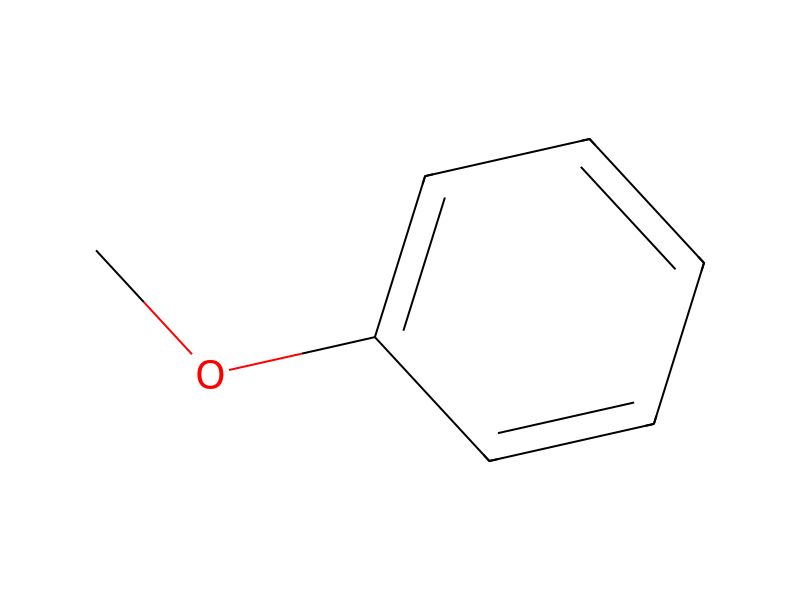


Procedure
t-Butyl (6R,7S)-3-acetoxymethyl-7methoxy- 7-[2-triphenylmethoxyimino-2-phenylacetamido]-ceph-3-em-4-carboxylate (syn isomer) (400 mg, 0,535 mmole) was treated with anisole (2ml) and rifluoroacetic acid (8 ml) as described in Example 1(b) to give (6R,7S)-3-acetoxymethyl-7-[2-hydroxyimino-2-phenylacetamido]-7-methoxyceph-3-em-4-carboxylic acid (syn isomer) as an electrostatic white solid. (135 mg, 0.30 mmole). This acid was converted into the title compound by dissolving it in water containing sodium bicarbonate (25 mg, 0.298 mmole), filtering the solution and freeze-drying the filtrate to give the product as an amorphous solid (120 mg, 0.255 mmole, 51%), paper chromatography Rf 0.40 Rf/Rf cephaloram 0.78, λmax (pH6 buffer) 254 nm (ε 10,400).
Sources & evidence
- ORD record
- ord-3526d75cd2b84e17a7ccae31e97b81e1
- Source dataset
- uspto-grants-1977_02
- Patent number
- US04007174
Reaction notes
Loading…