Acetic Acid → 4-Nitrobenzoic Acid
Reaction equation

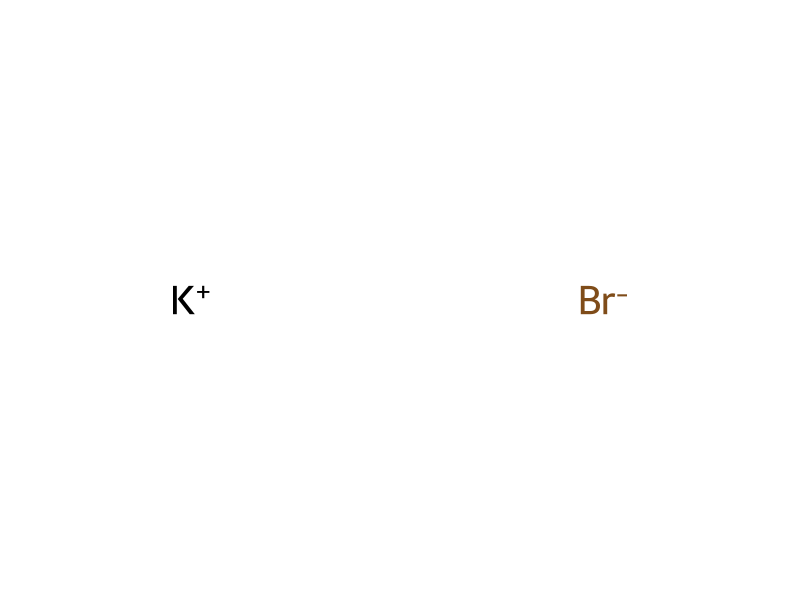
[N+:1]([C:4]1[CH:9]=[CH:8][C:7]([CH3:10])=[CH:6][CH:5]=1)([O-:3])=[O:2].[K+].[Br-].O.[C:14]([OH:17])(=[O:16])[CH3:15]>>[N+:1]([C:4]1[CH:9]=[CH:8][C:7]([CH3:10])=[CH:6][CH:5]=1)([O-:3])=[O:2].[N+:1]([C:4]1[CH:9]=[CH:8][C:15]([C:14]([OH:17])=[O:16])=[CH:6][CH:5]=1)([O-:3])=[O:2]Participants




Procedure
600 of p-nitrotoluene was oxidized in 2700 ml of glacial acetic acid after the addition of 8 g KBr and 30 g Co(OAc)2 . 4H2O. The reaction product was suction filtered, washed and dried. The mother liquor was combined with the glacial acetic acid used for washing, and after the addition of 500 ml of benzene, the water was separated azeotropically. Benzene and excess acetic acid were removed by distillation down to a remainder of 2500 ml. After the addition of 600 g of p-nitrotoluene, the oxidation was performed again and the product was processed as before. The same procedure was repeated three more times. At reaction temperatures of 180° C, the oxidation of the total input amount of 3000 g of p-nitrotoluene gave a yield of 3313 g of p-nitrobenzoic acid (90.5% of the theory), 689 g of water having been removed (170% of the theory).
Workup
- filtrationfiltered
- washwashed
- customdried
- washfor washing
- additionafter the addition of 500 ml of benzene
- customthe water was separated azeotropically
- customBenzene and excess acetic acid were removed by distillation down to a remainder of 2500 ml
- additionAfter the addition of 600 g of p-nitrotoluene
- customAt reaction temperatures of 180° C
Sources & evidence
- ORD record
- ord-3c878d080ed84da4bf1e79d28047c9e9
- Source dataset
- uspto-grants-1977_02
- Patent number
- US04007223
Reaction notes
Loading…