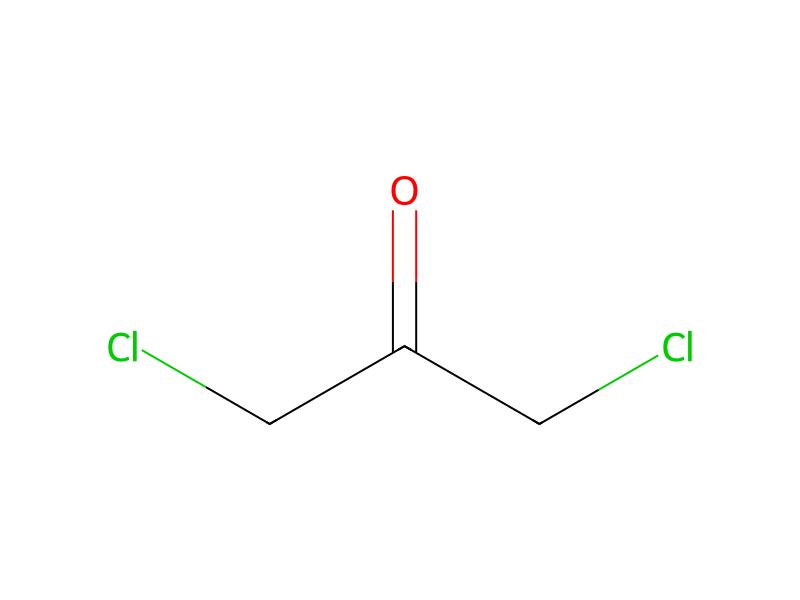
1,3-Dichloroacetone → HCID 21431390, compound
Reaction equation

[NH:1]([C:3]1[CH2:9][N:8]=[C:7]([C:10]2[CH:15]=[CH:14][CH:13]=[CH:12][C:11]=2[Cl:16])[C:6]2[CH:17]=[CH:18][CH:19]=[CH:20][C:5]=2[N:4]=1)[NH2:2].[Cl:21][CH2:22][C:23](=O)[CH2:24][Cl:25]>O1CCCC1>[Cl:21][CH2:22][C:23](=[N:2][NH:1][C:3]1[CH2:9][N:8]=[C:7]([C:10]2[CH:15]=[CH:14][CH:13]=[CH:12][C:11]=2[Cl:16])[C:6]2[CH:17]=[CH:18][CH:19]=[CH:20][C:5]=2[N:4]=1)[CH2:24][Cl:25]Participants
4
Reactant 2

Product 1

Reagents, catalysts & solvents 1

Procedure
In the manner given in Example 1, 2-hydrazino-5-(o-chlorophenyl)-3H-1,4-benzodiazepine in tetrahydrofuran can be treated with 1,3-dichloropropanone under nitrogen to give 2-[[2-chloro-1-(chloromethyl)ethylidene]-hydrazino]-5-(o-chlorophenyl)-3H-1,4-benzodiazepine.
Sources & evidence
- ORD record
- ord-947b298382bc49c8897fff023402f568
- Source dataset
- uspto-grants-1977_06
- Patent number
- US04028356
Reaction notes
Loading…