Carbon Dioxide → 3-Methyl-2-buten-1-OL
Reaction equation

[C:1](=[O:3])=O.[CH2:4]=[C:5]([CH3:7])[CH3:6].[CH2:8]=[O:9].S([O-])([O-])=O.[Na+].[Na+]>C=O.P([O-])([O-])(O)=O.[Na+].[Na+].CO.C(O)(C)(C)C>[CH3:6][C:5](=[CH2:4])[CH2:7][CH2:1][OH:3].[CH3:6][C:5]([CH3:7])=[CH:4][CH2:8][OH:9]Participants
Reactant 4




Product 2


Reagents, catalysts & solvents 4


Conditions
- Temperature
- 200 °C
Procedure
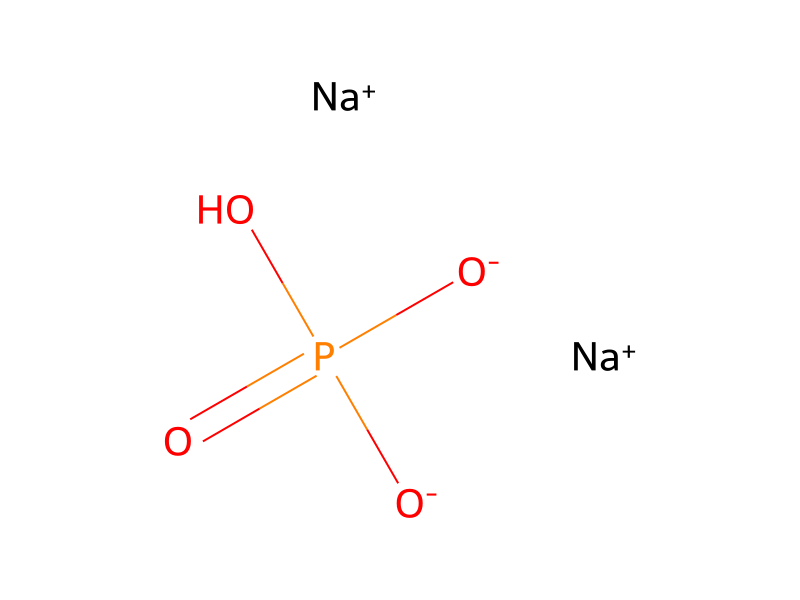
In a stainless steel autoclave having an inner volume of 300 ml, 9.0 g of paraformaldehyde of 95% purity, 0.22 g of sodium hydrogenphosphate as catalyst, and 60 ml of t-butanol were placed and the autoclave was closed. While cooling the autoclave with a dry ice and methanol mixture, the air in the autoclave was replaced by nitrogen and then 150 ml of isobutene was added thereto. Then the autoclave was brought to room temperature and no leak was found. Then the mixture was reacted with stirring at 200° C. for 4 hours. After the reaction, the autoclave was cooled and the contents were taken off. The reaction product was pale yellow and no substance having high boiling point was found. The reaction product was analyzed quantitatively by gas chromatography. Conversion of paraformaldehyde was determined by the sodium sulfite method. Conversion of paraformaldehyde was 98.9 mole%, and there were obtained 85.0 mole% of 3-methyl-3-butene-1-ol and 5.9 mole% of 3-methyl-2-butene-1-ol based on the paraform-aldehyde reacted. Total selectivities for the unsaturated alcohols were 90.9 mole% and no 4,4-dimethylmetadioxane was produced.
Workup
- customthe autoclave was closed
- customwas brought to room temperature
- customThen the mixture was reacted
- customAfter the reaction
- temperaturethe autoclave was cooled
Sources & evidence
- ORD record
- ord-b0c4fc19f260490295aa3fadda1f4c8b
- Source dataset
- uspto-grants-1977_06
- Patent number
- US04028424
Reaction notes
Loading…