Water → HCID 54157105, compound
Reaction equation

[F:1][C:2]1[CH:7]=[CH:6][C:5]([F:8])=[C:4]([OH:9])[C:3]=1[O:10][CH3:11].F[C:13]1([O:21][CH3:22])C(O)=CC(F)=CC1.B(Br)(Br)Br.[CH:27](N(C(C)C)CC)(C)C.[CH3:36][O:37]CCl.[OH2:40]>C(Cl)Cl>[F:1][C:2]1[C:3]([O:10][CH2:11][O:37][CH3:36])=[C:4]([O:9][CH2:13][O:21][CH3:22])[C:5]([F:8])=[CH:6][C:7]=1[CH:27]=[O:40]Participants
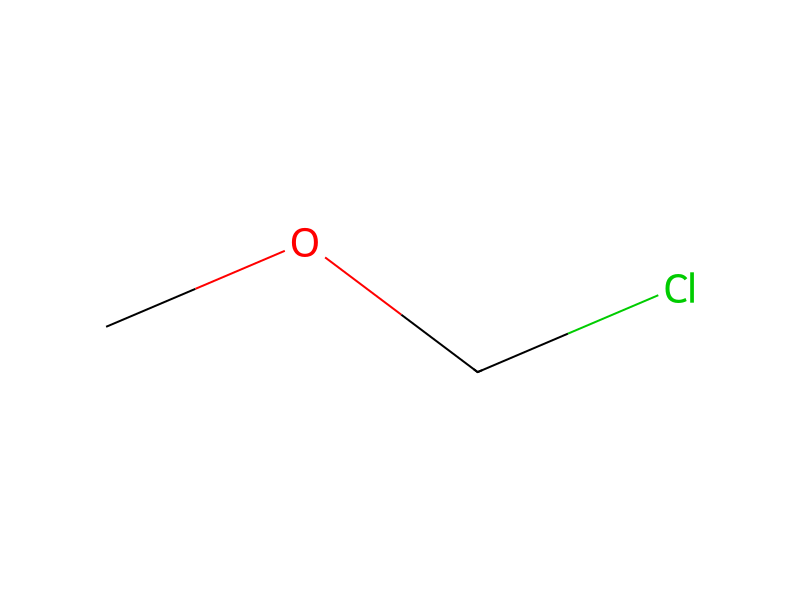
Reactant 6





Product 1

Reagents, catalysts & solvents 1

Procedure
1, 4-Difluoro-2-methoxy-3-hydroxybenzene (1.60 g, 9.99 mmol) was converted into 2, 5-difluoro-2-methoxy-3-hydroxybenzene (610 mg, 33%) according to the method as described in L. Kirk et al., J. Org. Chem., 51, 4073 (1986). This compound (350 mg, 1.86 mmol) was allowed to react with 1M solution of boron tribromide in methylene chloride in the same manner as in Example 2. The crude product obtained above was dissolved in methylene chloride (2 ml), and diisopropylethylamine (0.4 ml, 2.3 mmol) and methoxymethyl chloride (0.45 ml, 6.0 mmol) were added to the solution, which was stirred at room temperature for 1 hour. The reaction mixture was mixed with water, extracted with ethyl acetate-hexane and the extract was concentrated in vacuo. The residue was chromatographed on a column of silica gel to give 2, 5-difluoro-3, 4-bis (methoxymethyloxy) benzaldehyde (200 mg, 41%).
Workup
- customThe crude product obtained
- extractionextracted with ethyl acetate-hexane
- concentrationthe extract was concentrated in vacuo
- customThe residue was chromatographed on a column of silica gel
Sources & evidence
- ORD record
- ord-388bda3eb5334bfeb6683f9ceba816df
- Source dataset
- uspto-grants-1996_05
- Patent number
- US05514711
Reaction notes
Loading…