p-Anisoyl chloride → HCID 9874073, compound
Reaction equation

[CH3:1][CH2:2][N:3]1[CH:13]2[C@:9]34[C@@H:16]5[CH2:17][C@:18]6([OH:26])[C@@H:21]([O:24][CH3:25])[C@H:22]([OH:23])[C@@:14]([OH:27])([C@H:15]5[C@H:19]6[OH:20])[C@H:12]2[C@H:11]([O:28][CH3:29])[C@@H:10]3[C@@:5]([CH2:33][O:34][CH3:35])([C@H:6]([OH:32])[CH2:7][C@@H:8]4[O:30][CH3:31])[CH2:4]1.[C:36](Cl)(=[O:45])[C:37]1[CH:42]=[CH:41][C:40]([O:43][CH3:44])=[CH:39][CH:38]=1.C(=O)(O)[O-].[Na+]>N1C=CC=CC=1.C(Cl)Cl>[CH3:1][CH2:2][N:3]1[CH:13]2[C@:9]34[CH:16]5[CH:15]6[C@@H:19]([O:20][C:36]([C:37]7[CH:42]=[CH:41][C:40]([O:43][CH3:44])=[CH:39][CH:38]=7)=[O:45])[C@:18]([OH:26])([CH2:17]5)[C@@H:21]([O:24][CH3:25])[C@H:22]([OH:23])[C@:14]6([OH:27])[CH:12]2[C@H:11]([O:28][CH3:29])[CH:10]3[C@@:5]([CH2:33][O:34][CH3:35])([C@H:6]([OH:32])[CH2:7][C@@H:8]4[O:30][CH3:31])[CH2:4]1Participants
Reactant 3
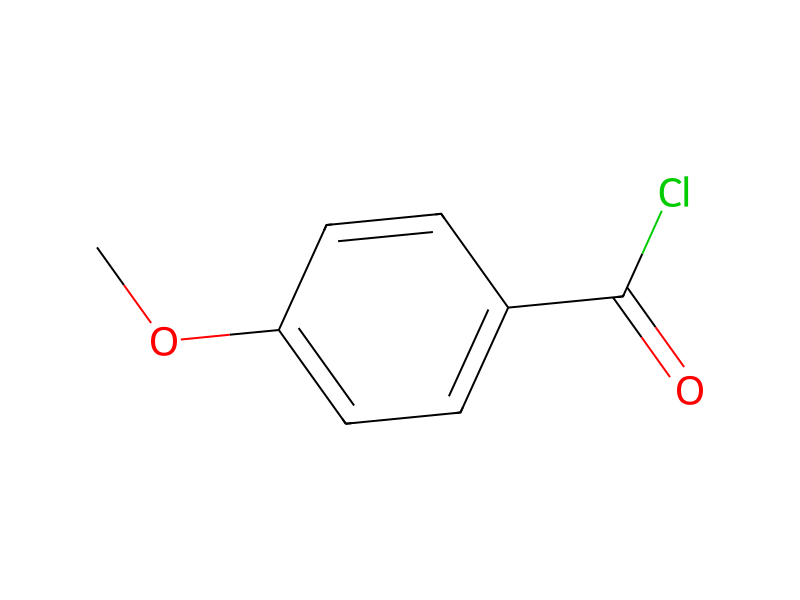


Product 1

Reagents, catalysts & solvents 2


Procedure
1 32 mg of Aconine was obtained in the same manner as in Example 94-2), except for the use of 70 mg of aconitine as a substitute for 3,13-dideoxy-14-O-anisoylaconine in Example 94-2). Aconine 45 mg was dissolved in a mixture of 5 ml of pyridine and 1 ml of methylene chloride. To this solution, 18 μl of p-anisoyl chloride was added under the condition of -70° C. The reaction mixture was stirred under the rising temperature from -70° C. to -5° C., which was took 2 hours. Then, to the reaction mixture, ice water was added and the mixture was made alkaline with 5% of aqueous sodium bicarbonate solution. The alkaline solution was extracted three times with 30 ml of chloroform. The chloroform layer put together was washed with water, dried over anhydrous sodium sulfate and concentrated to dryness under reduced pressure. The residue was subjected to column chromatography on silica gel for separation and purification (eluting solvent: 5% methanol/ammonia-saturated chloroform) to give 14-anisoylaconine (38 mg). 14-O-Anisoylaconine 660 mg was dissolved in 66 ml of acetone. To this solution, 25 ml of aqueous potassium permanganate solution (887 mg in 25 ml of water) and 4.5 ml of aqueous potassium carbonate solution (556 mg in 4.5 ml of water) were added and the mixture was stirred at room temperature for 30 min. After reaction, the reaction mixture was concentrated under reduced pressure until the odor of acetone was no longer apparent and, to this residual solution, 33 ml of 2N sulfuric acid and 22 ml of aqueous sodium thiosulfate solution (887 mg in 22 ml of water) cooled in advance were added. Then, this solution was washed with methylene chloride. The aqueous layer was adjusted to pH 8-9 with sodium carbonate and extracted with methylene chloride. The layer of methylene chloride was dried over anhydrous sodium sulfate and concentrated to dryness under reduced pressure. The residue was subjected to column chromatography on silica gel for separation and purification (5% methanol/ammonia-saturated chloroform) to give de-N-ethyl-14-O-anisoylaconine (640 mg).
Workup
- extractionThe alkaline solution was extracted three times with 30 ml of chloroform
- washThe chloroform layer put together was washed with water
- dry with materialdried over anhydrous sodium sulfate
- concentrationconcentrated to dryness under reduced pressure
- customThe residue was subjected to column chromatography on silica gel for separation and purification (eluting solvent: 5% methanol/ammonia-saturated chloroform)
Sources & evidence
- ORD record
- ord-b27fe616804a49ad939f0ec3ad1db946
- Source dataset
- uspto-grants-1996_05
- Patent number
- US05514684
Reaction notes
Loading…