Pyridine → N-(2-chlorobenzyl)-2,2-dioxo-1,2,3-oxathiazolidine
Reaction equation

[OH:1][CH2:2][CH2:3][NH:4][CH2:5][C:6]1[CH:11]=[CH:10][CH:9]=[CH:8][C:7]=1[Cl:12].[Cl-].[Ca+2].[Cl-].N1C=CC=CC=1.[S:22](Cl)(Cl)(=[O:24])=[O:23]>C(Cl)Cl>[Cl:12][C:7]1[CH:8]=[CH:9][CH:10]=[CH:11][C:6]=1[CH2:5][N:4]1[CH2:3][CH2:2][O:1][S:22]1(=[O:24])=[O:23]Participants

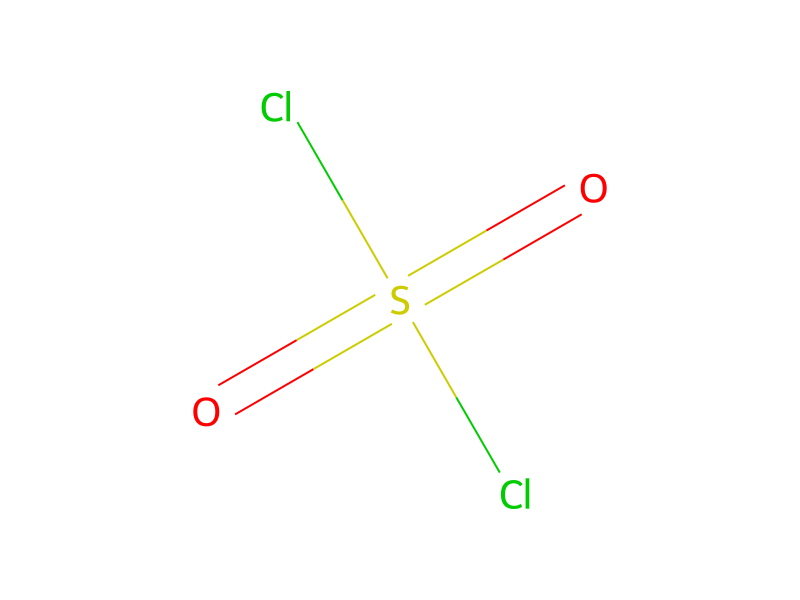

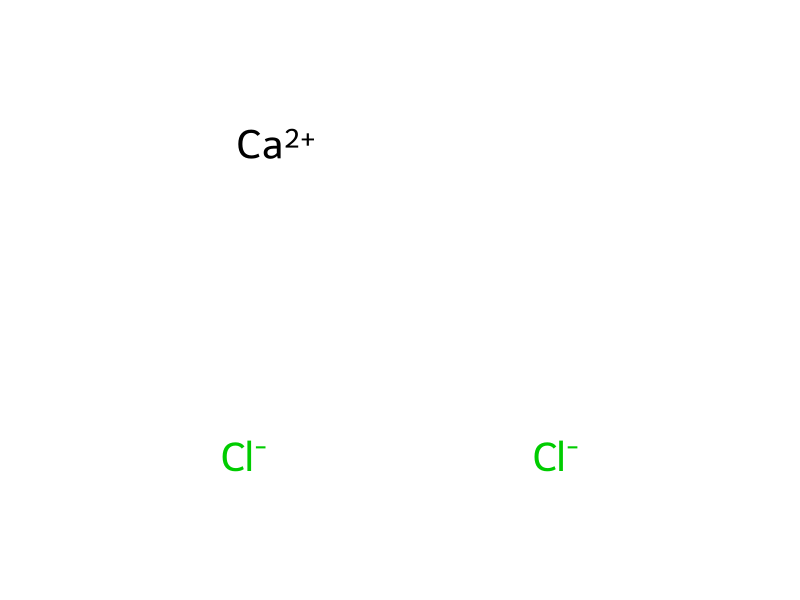


Conditions
- Temperature
- -50 °C
Procedure
To a solution of N-hydroxyethyl-2-chlorobenzylamine (1.86 g, 10.0 mmole) in dry methylene chloride (6 ml) in a reaction vessel fitted with a calcium chloride (CaCl2) drying tube was added dry pyridine (1.66 ml, 20.5 mmole). The solution was stirred and cooled to -50° C. Sulfuryl chloride (1.35 g, 10.0 mmole) dissolved in dry methylene chloride (4 ml) was added dropwise over 20 minutes while the temperature of the solution was maintained between -45° C. and -50° C. The solution was stirred at -50° C. for 90 minutes and then allowed to warm to 8° C. over 90 minutes. The entire reaction mixture was poured onto a silica gel bed (30 g), slurry-packed in a 60 ml Type "C" sintered glass funnel. The bed was eluted with methylene chloride while collecting 40 ml fractions. Fractions containing the product were combined and the solvent removed by evaporation under vacuum at 40° C. yielding N-(2-chlorobenzyl)-2,2-dioxo-1,2,3-oxathiazolidine as a clear oil (0.40 g, 1.85 mmole), which crystallized. Characteristic analytical data are mp. 61°-62.5° C.; and NMR spectra similar to those of Example 2A (above).
Workup
- customdrying tube
- additionwas added dropwise over 20 minutes while the temperature of the solution
- temperaturewas maintained between -45° C. and -50° C
- stirringThe solution was stirred at -50° C. for 90 minutes
- temperatureto warm to 8° C. over 90 minutes
- customThe entire reaction mixture
- additionwas poured onto a silica gel bed (30 g), slurry-packed in a 60 ml Type "C" sintered glass funnel
- washThe bed was eluted with methylene chloride
- customwhile collecting 40 ml fractions
- additionFractions containing the product
- customthe solvent removed by evaporation under vacuum at 40° C.
Sources & evidence
- ORD record
- ord-b479d14d1cf74d88954ff0b2f3e74325
- Source dataset
- uspto-grants-1996_05
- Patent number
- US05516910
Reaction notes
Loading…