Toluene → 2-(4-Camphylidenemethylene-anilino)-4,6-dichloro-1,3,5-triazine
Reaction equation

[NH2:1][C:2]1[CH:19]=[CH:18][C:5]([CH:6]=[C:7]2[CH:12]3[C:13]([CH3:15])([CH3:14])[C:9](C)([CH2:10][CH2:11]3)[C:8]2=O)=[CH:4][CH:3]=1.[N:20]1[C:27]([Cl:28])=[N:26][C:24]([Cl:25])=[N:23][C:21]=1Cl.[C:29]1(C)C=CC=CC=1>>[C:12]12([CH3:29])[C:13]([CH3:14])([CH3:15])[CH:9]([CH2:10][CH2:11]1)[CH2:8][C:7]2=[C:6]=[C:5]1[CH:18]=[CH:19][C:2]([NH:1][C:21]2[N:23]=[C:24]([Cl:25])[N:26]=[C:27]([Cl:28])[N:20]=2)=[CH:3][CH2:4]1Participants
4

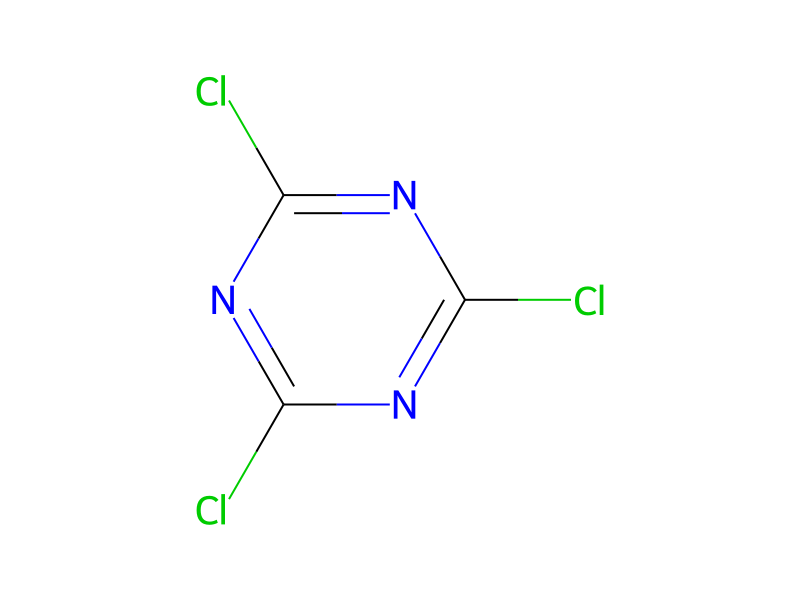


Conditions
- Temperature
- 40 °C
Procedure
0.1 mol of 4-aminobenzylidenecamphor, dissolved in toluene, is added dropwise to a solution of 0.1 mol of cyanuric chloride in toluene. The reaction mixture is heated to 40° C. Working-up leads to 36 g (88%) of a pale yellow solid. Melting point: 238° C.
Sources & evidence
- ORD record
- ord-6d8ff2e8a2944b90a5b62ba5b17da4ee
- Source dataset
- uspto-grants-1996_05
- Patent number
- US05520906
Reaction notes
Loading…