p-Toluenesulfonic acid → HCID 178470446, compound
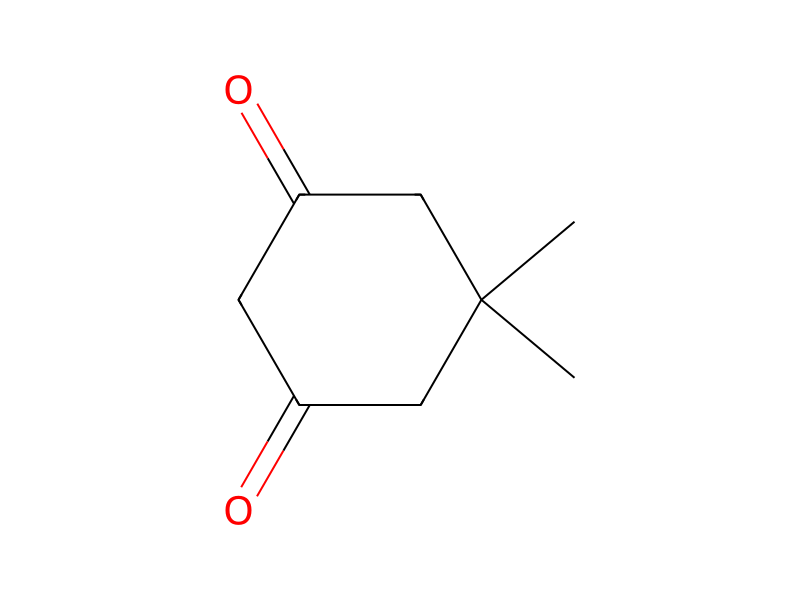
Reaction equation

[NH2:1][C:2]1[CH:3]=[C:4]2[C:9](=[CH:10][CH:11]=1)[N:8]=[N:7][C:6]([C:12]([O:14][CH2:15][CH3:16])=[O:13])=[C:5]2[OH:17].[CH3:18][C:19]1([CH3:27])[CH2:24][C:23](=[O:25])[CH2:22][C:21](=O)[CH2:20]1.C1(C)C=CC(S(O)(=O)=O)=CC=1>C(O)C>[CH3:18][C:19]1([CH3:27])[CH2:20][C:21]([NH:1][C:2]2[CH:3]=[C:4]3[C:9](=[CH:10][CH:11]=2)[N:8]=[N:7][C:6]([C:12]([O:14][CH2:15][CH3:16])=[O:13])=[C:5]3[OH:17])=[CH:22][C:23](=[O:25])[CH2:24]1Participants
5
Reactant 3


Product 1

Reagents, catalysts & solvents 1

Procedure
A mixture of ethyl 6-amino-4-hydroxycinnolin-3-yl carboxylate (0.932 g.), 5,5-dimethylcyclohexan-1,3-dione (2.24 g.) and p-toluenesulphonic acid (0.4 g.) in ethanol (100 ml.) was heated under reflux on a steam bath for 16 hours. The solution was evaporated in vacuo and the residue was applied to a silica column (100 g. Kieselgel 60). Elution with a mixture of 15% v/v ethanol and 85% v/v chloroform, and evaporation of the appropriate fractions gave crystalline ethyl 6-[(5,5-dimethylcyclohexen-3-one-yl)amino]-4-hydroxycinnolin-3-yl carboxylate, m.p. 274° C.
Workup
- temperaturewas heated
- temperatureunder reflux on a steam bath for 16 hours
- customThe solution was evaporated in vacuo
- washElution
- additionwith a mixture of 15% v/v ethanol and 85% v/v chloroform, and evaporation of the appropriate fractions
Sources & evidence
- ORD record
- ord-c62ef17e8e4a4ae6997ce1b4207b89c3
- Source dataset
- uspto-grants-1977_08
- Patent number
- US04045439
Reaction notes
Loading…