Isobutylene → HCID 15411026, compound
Reaction equation

[OH:1][C:2]1[CH:22]=[CH:21][C:5]([CH2:6][C:7]2[N:11]([CH3:12])[N:10]=[C:9]([C:13]3[C:18]([F:19])=[CH:17][CH:16]=[CH:15][C:14]=3[Cl:20])[N:8]=2)=[CH:4][CH:3]=1.FC(F)(F)S(O)(=O)=O.[CH2:31]=[C:32]([CH3:34])[CH3:33]>ClCCl>[C:32]([O:1][C:2]1[CH:3]=[CH:4][C:5]([CH2:6][C:7]2[N:11]([CH3:12])[N:10]=[C:9]([C:13]3[C:18]([F:19])=[CH:17][CH:16]=[CH:15][C:14]=3[Cl:20])[N:8]=2)=[CH:21][CH:22]=1)([CH3:34])([CH3:33])[CH3:31]Participants
5
Reactant 3

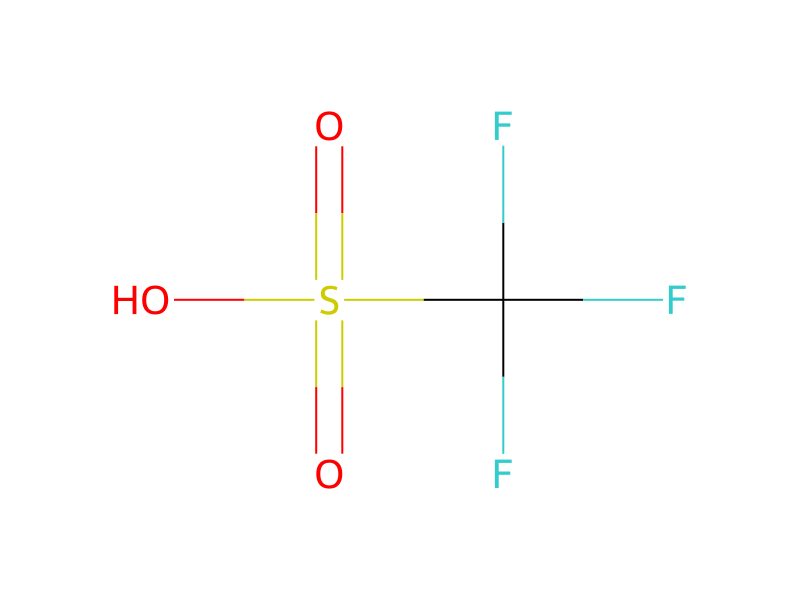

Product 1

Reagents, catalysts & solvents 1

Procedure
To a solution of 0.6 g of 5-(4-hydroxybenzyl)-3-(2-chloro-6-fluorophenyl)-1-methyl-1H-1,2,4-triazole in 10 ml of dichloromethane at -70° C. was added 0.29 g of trifluoromethanesulfonic acid and 2.1 g of isobutene was bubbled in a few minutes. After 1 hour of stirring at the same temperature, triethyamine was added to the solution and then the reaction mixture was warmed gradually to room temperature. The reaction mixture was poured into iced water and the organic layer was washed with water, dried over magnesium sulfate and concentrated under reduced pressure. The residue was subjected to silica gel chromatography to afford 0.55 g of 5-(4-t-butoxybenzyl)-3-(2-chloro-6-fluorophenyl)-1-methyl-1H-1,2,4-triazole. nD22.8 1.5458
Workup
- customwas bubbled in a few minutes
- additionwas added to the solution
- additionThe reaction mixture was poured into iced water
- washthe organic layer was washed with water
- dry with materialdried over magnesium sulfate
- concentrationconcentrated under reduced pressure
Sources & evidence
- ORD record
- ord-ea6bc59c07854b5cbda63806d588a275
- Source dataset
- uspto-grants-1999_04
- Patent number
- US05892048
Reaction notes
Loading…