Citric Acid → Carbon Dioxide
Reaction equation

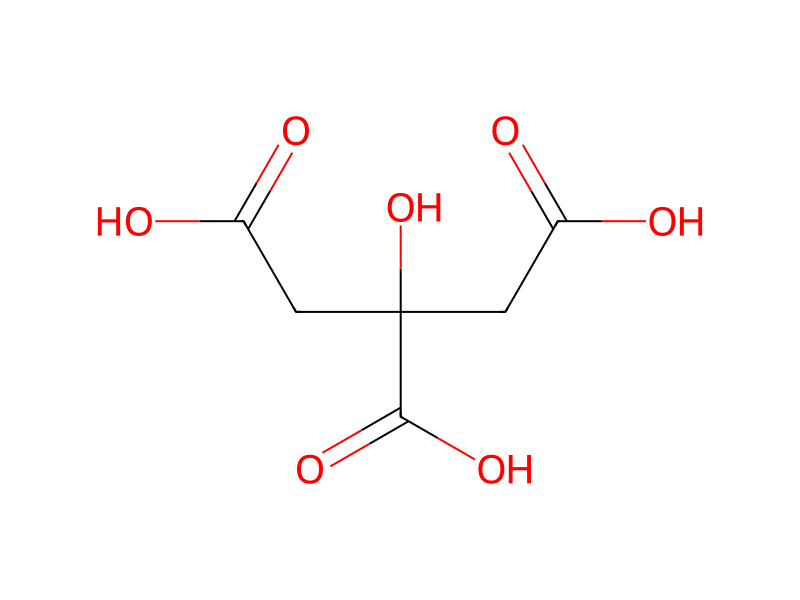
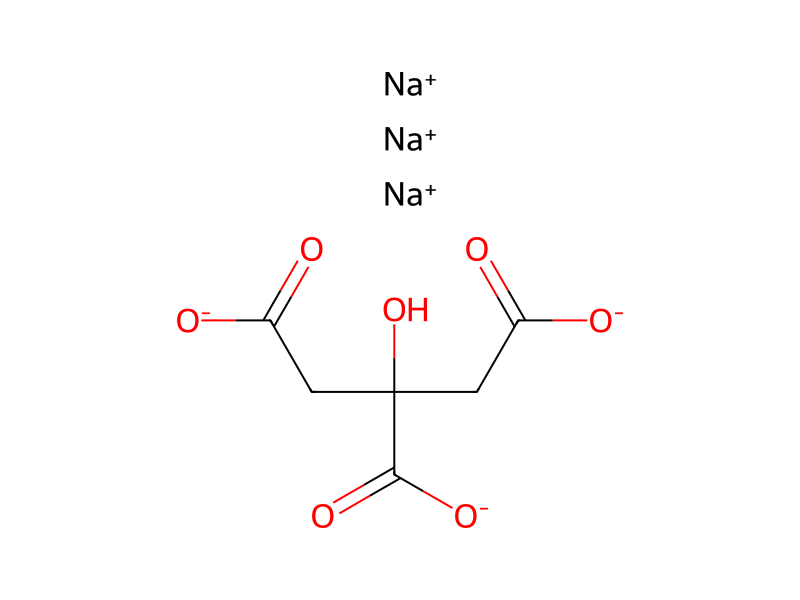
[C:1]([OH:13])(=[O:12])[CH2:2][C:3]([CH2:8][C:9]([OH:11])=[O:10])([C:5]([OH:7])=[O:6])[OH:4].C(=O)(O)[O-].[Na+:18]>O>[C:5](=[O:7])=[O:6].[C:1]([OH:13])(=[O:12])[CH2:2][C:3]([CH2:8][C:9]([O-:11])=[O:10])([C:5]([O-:7])=[O:6])[OH:4].[Na+:18].[Na+:18].[C:1]([O-:13])(=[O:12])[CH2:2][C:3]([CH2:8][C:9]([O-:11])=[O:10])([C:5]([O-:7])=[O:6])[OH:4].[Na+:18].[Na+:18].[Na+:18]Participants
6
Reactant 2

Product 3


Reagents, catalysts & solvents 1

Procedure
The reaction between the solid acid and effervescent agent is an acid base reaction. For example, the reaction between citric acid and sodium bicarbonate produces water, carbon dioxide, sodium hydrogen citrate, and sodium citrate. Normally this acid base reaction would take place in an aqueous medium, however the aqueous reaction is rather quick and the carbon dioxide is released within minutes. The inventors have found that the addition of a deliquescent agent to an effervescent agent and a solid acid promotes the acid base reaction and slowly maintains the reaction by drawing water from the atmosphere to supplement the water generated in the reaction.
Workup
- customThe reaction between the solid acid and effervescent agent
- customan acid base reaction
Sources & evidence
- ORD record
- ord-4cd7a7f182b14af79b510309ee302497
- Source dataset
- uspto-grants-2013_07
- Patent number
- US08475759B2
Reaction notes
Loading…