2-Amino-4-phenylthiazole → n-[(4-Phenyl-1,3-thiazol-2-yl)carbamothioyl]benzamide
Reaction equation

[NH2:1][C:2]1[S:3][CH:4]=[C:5]([C:7]2[CH:12]=[CH:11][CH:10]=[CH:9][CH:8]=2)[N:6]=1.[C:13]([N:21]=[C:22]=[S:23])(=[O:20])[C:14]1[CH:19]=[CH:18][CH:17]=[CH:16][CH:15]=1>CC(C)=O>[C:7]1([C:5]2[N:6]=[C:2]([NH:1][C:22]([NH:21][C:13](=[O:20])[C:14]3[CH:15]=[CH:16][CH:17]=[CH:18][CH:19]=3)=[S:23])[S:3][CH:4]=2)[CH:12]=[CH:11][CH:10]=[CH:9][CH:8]=1Participants
4
Reactant 2

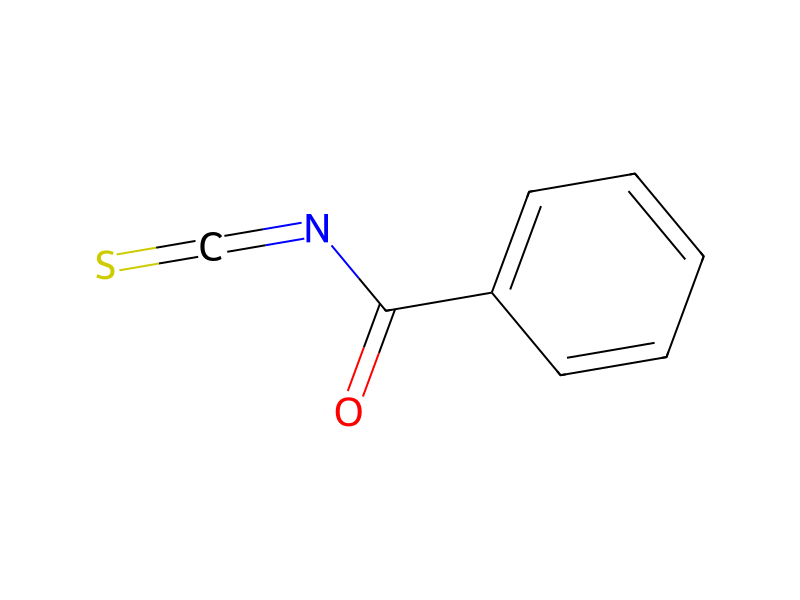
Product 1

Reagents, catalysts & solvents 1

Conditions
- Temperature
- 5 °C
Procedure
3.10 g 2-amino-4-phenylthiazole (176 mmol) and 3.00 g benzoylisothiocyanate were heated in 50 ml acetone for 2 hours at reflux, during which a yellow solid was formed. The reaction mixture was subsequently stirred for 30 minutes at 5° C., the solid was suction-isolated and washed multiple times with n-pentane. After drying, 4.20 g of the target structure was obtained as an amorphous yellow solid.
Workup
- temperatureat reflux, during which a yellow solid
- customwas formed
- customthe solid was suction-isolated
- washwashed multiple times with n-pentane
- customAfter drying
- custom4.20 g of the target structure was obtained as an amorphous yellow solid
Sources & evidence
- ORD record
- ord-4777341eb8fd40e7bcd61f8d91767d99
- Source dataset
- uspto-grants-2013_07
- Patent number
- US08481576B2
Reaction notes
Loading…