3,6-Dichloropyridazine → 6-(1-(6-Chloro-[1,2,4]triazolo[4,3-b]pyridazin-3-yl)cyclopropyl)quinoline
Reaction equation

[N:1]1[C:10]2[C:5](=[CH:6][C:7]([C:11]3([C:14]([NH:16][NH2:17])=O)[CH2:13][CH2:12]3)=[CH:8][CH:9]=2)[CH:4]=[CH:3][CH:2]=1.[Cl:18][C:19]1[N:20]=[N:21][C:22](Cl)=[CH:23][CH:24]=1>C(O)CCC>[Cl:18][C:19]1[CH:24]=[CH:23][C:22]2[N:16]([C:14]([C:11]3([C:7]4[CH:6]=[C:5]5[C:10](=[CH:9][CH:8]=4)[N:1]=[CH:2][CH:3]=[CH:4]5)[CH2:13][CH2:12]3)=[N:20][N:21]=2)[N:17]=1Participants
4
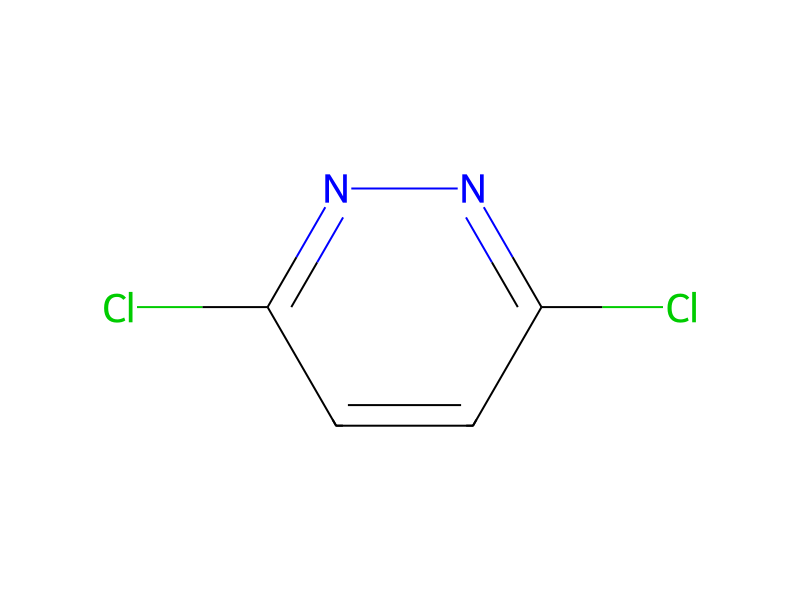



Conditions
- Temperature
- 140 °C
Procedure
A microwave tube was charged with 1-quinolin-6-yl-cyclopropanecarboxylic acid hydrazide (513 mg, 2.26 mmol), 3,6-dichloropyridazine (437 mg, 2.93 mmol) and n-butanol (5 mL). The mixture was heated at 140° C. for 12 h. The solvent was removed in vacuo and the residue was purified by flash chromatography in silica gel eluting with ETOAC/methanol gradient to afford 196 mg (41%) of the title compound. LCMS (method A): [MH]+=322, tR=4.38 min.
Workup
- customThe solvent was removed in vacuo
- customthe residue was purified by flash chromatography in silica gel eluting with ETOAC/methanol gradient
Sources & evidence
- ORD record
- ord-fc9491a3d77c471084ea2777358ab0dd
- Source dataset
- uspto-grants-2013_07
- Patent number
- US08497368B2
Reaction notes
Loading…