Water → 1,1-Dimethylethyl 4-(1,2,3,4-tetrahydro-5-isoquinolinyl)-1-piperazinecarboxylate
Reaction equation

[C:1]([O:5][C:6]([N:8]1[CH2:13][CH2:12][N:11]([C:14]2[CH:23]=[CH:22][CH:21]=[C:20]3[C:15]=2[CH:16]=[CH:17][N:18]=[CH:19]3)[CH2:10][CH2:9]1)=[O:7])([CH3:4])([CH3:3])[CH3:2].B.O>O1CCCC1>[C:1]([O:5][C:6]([N:8]1[CH2:13][CH2:12][N:11]([C:14]2[CH:23]=[CH:22][CH:21]=[C:20]3[C:15]=2[CH2:16][CH2:17][NH:18][CH2:19]3)[CH2:10][CH2:9]1)=[O:7])([CH3:4])([CH3:2])[CH3:3]Participants
5




Procedure
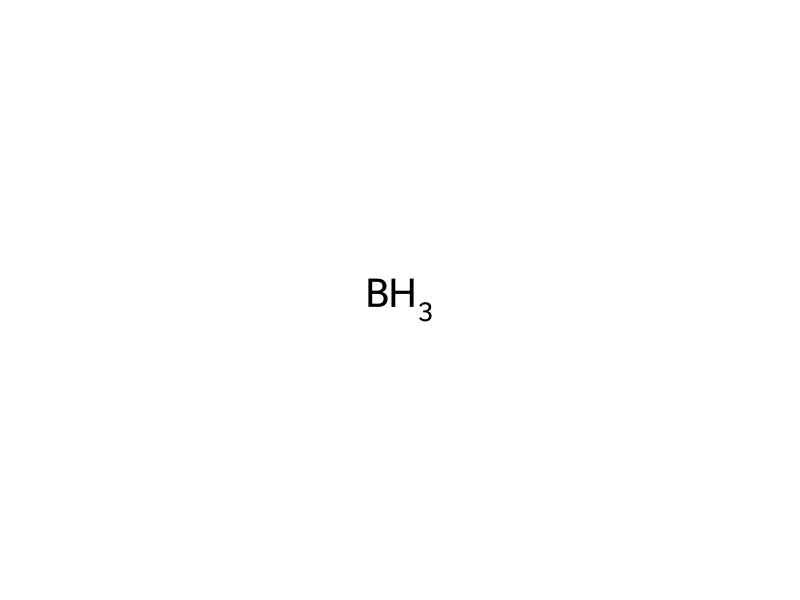
4-Isoquinoline-5-yl-piperazine-1-carboxylic acid tert-butyl ester (1.5 g) from Step 2 was dissolved in 5 mL of tetrahydrofuran (THF), and excess borane (BH3) in THF was added thereto. The mixture was brought to reflux for 1 hour, and allowed to cool to room temperature. The mixture was then further cooled in an ice bath, and water was carefully added to the reaction mix to consume excess borane. The reaction mix was then diluted with EtOAc, washed with saturated aqueous sodium bicarbonate (NaHCO3), dried over MgSO4, and chromatographed to provide 4-(1,2,3,4-tetrahydroisoquinolin-5-yl)-piperazine-1-carboxylic acid tert-butyl ester as a viscous oil (0.668 g).
Workup
- temperatureto reflux for 1 hour
- temperatureThe mixture was then further cooled in an ice bath
- additionmix
- customto consume excess borane
- additionThe reaction mix
- additionwas then diluted with EtOAc
- washwashed with saturated aqueous sodium bicarbonate (NaHCO3)
- dry with materialdried over MgSO4
- customchromatographed
Sources & evidence
- ORD record
- ord-088f496a429b4e08a3dc00dd593b586d
- Source dataset
- uspto-grants-2007_03
- Patent number
- US07196088B2
Reaction notes
Loading…