Hydrochloric Acid → HCID 15560951, compound
Reaction equation

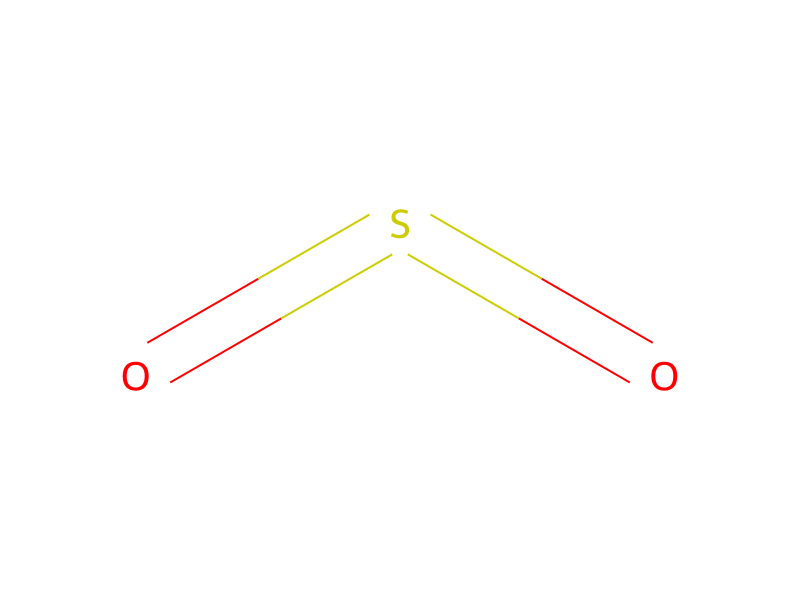
Br[CH2:2][C:3]([C:5]1[CH:10]=[CH:9][C:8]([Br:11])=[C:7]([S:12](=[O:15])(=[O:14])N)[CH:6]=1)=[O:4].NC1C=C(C(=O)C)C=CC=1Br.N([O-])=O.[Na+].S(=O)=O.[ClH:34]>O>[Br:11][C:8]1[CH:9]=[CH:10][C:5]([C:3](=[O:4])[CH3:2])=[CH:6][C:7]=1[S:12]([Cl:34])(=[O:15])=[O:14]Participants
7






Procedure
(Preparation of 2,4'-dibromo-3'-sulfamoylacetophenone: 5.35 g of 3'-amino-4'-bromoacetophenone, melting point: 113° C, were diazotized in 50 ml of semi-concentrated hydrochloric acid with 1.75 g of sodium nitrite at 0° - 5° C and then decomposed according to Meerwein with 62 ml of sulfur-dioxide-saturated glacial acetic acid solution and 2 g of copper-II-chloride-dihydrate. After the addition of 62 ml of water, the 4'-bromo-3'-chlorosulfonylacetophenone was obtained which melted at 107° C and could be introduced without further purification into about 50 ml of liquid ammonia. After evaporation of the ammonia and treatment with water, 4'-bromo-3'-sulfamoylacetophenone were obtained which melted at 161° C.
Sources & evidence
- ORD record
- ord-cba955e172d74d91ae7e987f383c5800
- Source dataset
- uspto-grants-1977_12
- Patent number
- US04061761
Reaction notes
Loading…