Potassium Hydroxide → 3-(1,5-Dimethyl-1H-pyrrol-2-yl)pyridine
Reaction equation

[CH3:1][N:2]1[C:6]([C:7]2[CH:8]=[N:9][CH:10]=[CH:11][CH:12]=2)=[CH:5][CH:4]=[C:3]1[CH:13]=O.O.NN.[OH-].[K+]>C(O)COCCOCCO>[CH3:1][N:2]1[C:3]([CH3:13])=[CH:4][CH:5]=[C:6]1[C:7]1[CH:8]=[N:9][CH:10]=[CH:11][CH:12]=1Participants
5




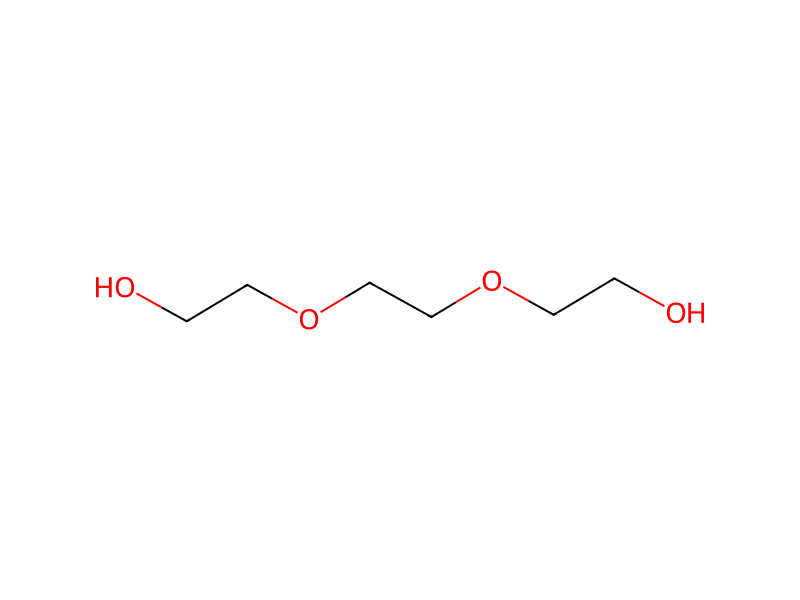
Conditions
- Temperature
- 175 °C
Procedure
A mixture of 1-methyl-5-(3-pyridyl) pyrrole-2-carboxaldehyde (8.0 g, 43 mmoles), hydrazine hydrate (8.0 g, 160 mmoles) and potassium hydroxide (10.6 g of 85% pellets) in 80 ml triethyleneglycol is stirred at 125° L C for 75 min. during which time vigorous evolution of gas is observed. The temperature is then increased to 175° C and stirring continued until evolution of gas ceases. After cooling, the reaction mixture is extracted with 3 × 50 ml portions of diethyl ether. The combined ether layers are dried (anhydrous magnesium sulfate) and removed under vacuum. Fractional vacuum distillation of the residue provides the pure product.
Workup
- stirringstirring
- temperatureAfter cooling
- extractionthe reaction mixture is extracted with 3 × 50 ml portions of diethyl ether
- dry with materialThe combined ether layers are dried (anhydrous magnesium sulfate)
- customremoved under vacuum
- distillationFractional vacuum distillation of the residue
- customprovides the pure product
Sources & evidence
- ORD record
- ord-2a3e65bce37441c0b52621b428767dd9
- Source dataset
- uspto-grants-1977_12
- Patent number
- US04065561
Reaction notes
Loading…