Hydrogen Cyanide → 2-(2-Fluoro-4-trifluoromethylphenylamino)-3-methylbutyronitrile
Reaction equation

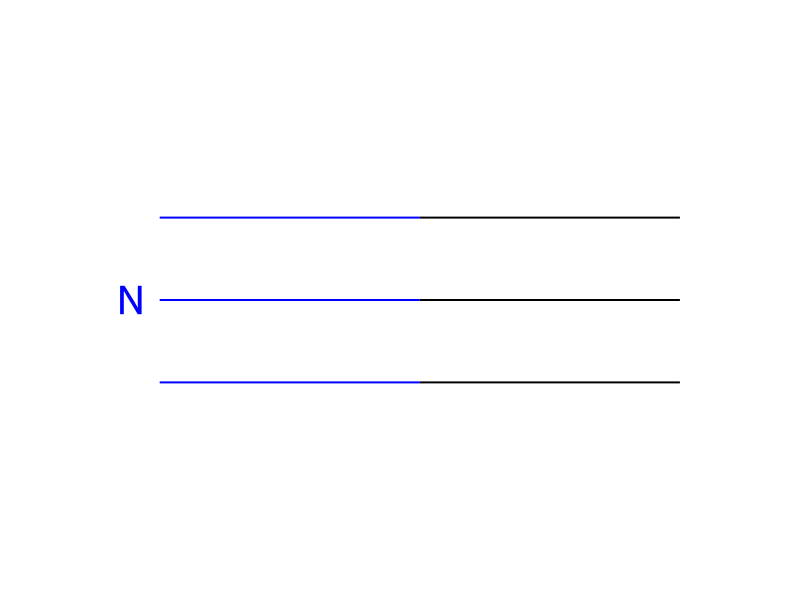
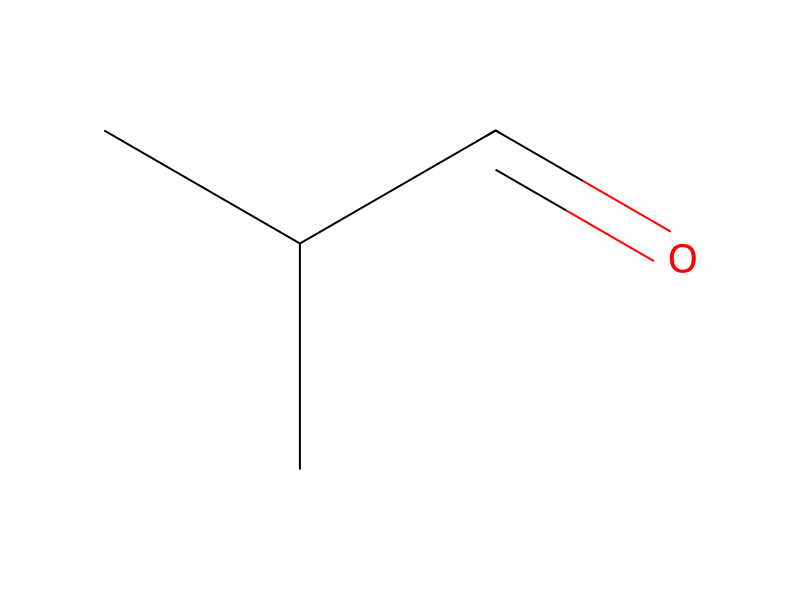
ClC1C=[C:4](C(F)(F)F)[CH:5]=[CH:6][C:7]=1[NH2:8].[F:13][C:14]1[CH:15]=[C:16]([C:21]([F:24])([F:23])[F:22])[CH:17]=[CH:18][C:19]=1[NH2:20].C#N.[CH:27](=O)C(C)C>O>[F:13][C:14]1[CH:15]=[C:16]([C:21]([F:22])([F:23])[F:24])[CH:17]=[CH:18][C:19]=1[NH:20][CH:6]([CH:5]([CH3:27])[CH3:4])[C:7]#[N:8]Participants
6



Procedure
Following the procedure of Example 1, each of 3-chloro-4-aminobenzotrifluoride and 3-fluoro-4-aminobenzotrifluoride is reacted with hydrogen cyanide and isobutyraldehyde, in a neat, initially water-free system, to give the respective nitrile, 2-(2-chloro-4-trifluoro-methylphenylamino)-3-methylbutyronitrile and 2-(2-fluoro-4-trifluoromethylphenylamino)-3-methylbutyronitrile.
Sources & evidence
- ORD record
- ord-f4fb8e7036e843d7865338e8ca199b44
- Source dataset
- uspto-grants-1985_05
- Patent number
- US04517130
Reaction notes
Loading…