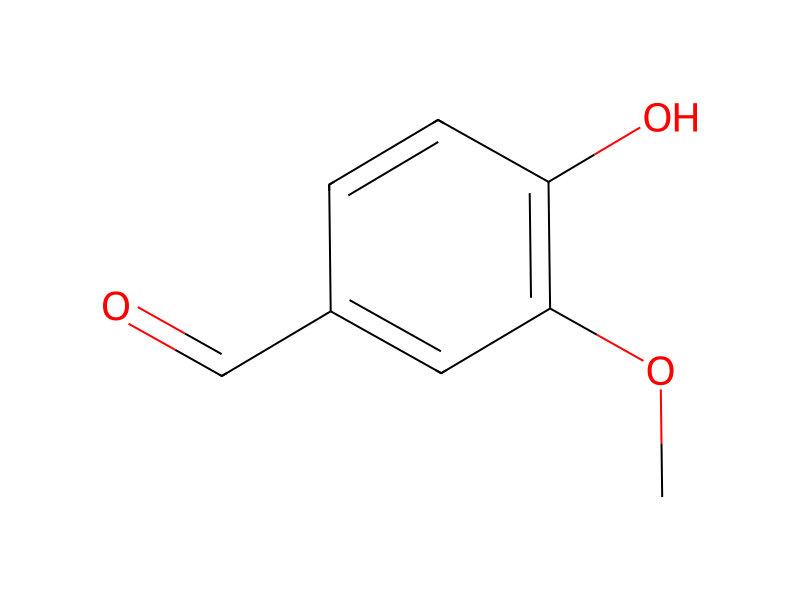
Vanillin → E-8-(4-Acetoxy-3-methoxybenzylidene)-5,6,7,8-tetrahydro-4-methylquinoline
Reaction equation

[CH3:1][C:2]1[C:11]2[CH2:10][CH2:9][CH2:8][CH2:7][C:6]=2[N:5]=[CH:4][CH:3]=1.O=[CH:13][C:14]1[CH:22]=[CH:21][C:19]([OH:20])=[C:16]([O:17][CH3:18])[CH:15]=1.[C:23](OC(=O)C)(=[O:25])[CH3:24]>[Cl-].[Zn+2].[Cl-]>[C:23]([O:20][C:19]1[CH:21]=[CH:22][C:14](/[CH:13]=[C:7]2\[CH2:8][CH2:9][CH2:10][C:11]3[C:2]([CH3:1])=[CH:3][CH:4]=[N:5][C:6]\2=3)=[CH:15][C:16]=1[O:17][CH3:18])(=[O:25])[CH3:24]Participants
5




Procedure
A mixture of 5,6,7,8-tetrahydro-4-methylquinoline (5.2 g), vanillin (5.37 g), zinc chloride (0.3 g) and acetic anhydride (50 ml) were refluxed under nitrogen for 16 hours. The solvent was removed by evaporation and the resulting residue was neutralised (Na2CO3) in the presence of ethyl acetate and was then extracted with ethyl acetate.
Workup
- temperaturewere refluxed under nitrogen for 16 hours
- customThe solvent was removed by evaporation
- extractionwas then extracted with ethyl acetate
Sources & evidence
- ORD record
- ord-4f49006b3a8c48e883695fcfd9e08f68
- Source dataset
- uspto-grants-1985_10
- Patent number
- US04547510
Reaction notes
Loading…