Methacrylic Acid → Methacrylate maleate
Reaction equation

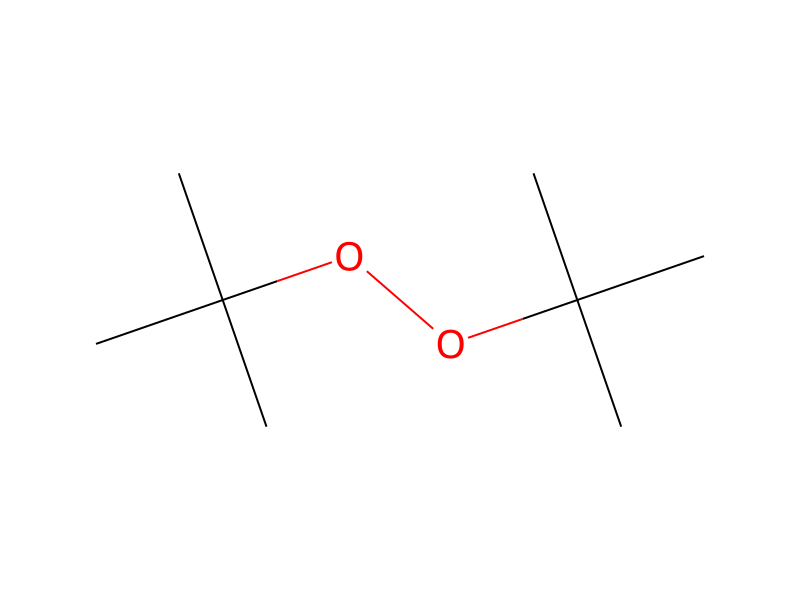
[C:1]1(=[O:7])[O:6][C:4](=[O:5])[CH:3]=[CH:2]1.C([O:12]OC(C)(C)C)(C)(C)C.C(OCCCC)(=O)C.[C:26]([OH:31])(=[O:30])[C:27]([CH3:29])=[CH2:28]>O>[C:26]([O-:31])(=[O:30])[C:27]([CH3:29])=[CH2:28].[C:1]([O-:6])(=[O:7])/[CH:2]=[CH:3]\[C:4]([O-:12])=[O:5]Participants
Reactant 4



Product 1

Reagents, catalysts & solvents 1

Conditions
- Temperature
- 120 °C
Procedure
To a 4-neck, 500 ml round bottom flask equipped as in Example 1 were added 50 g (0.51 mole) maleic anhydride, 8.0 g di-t-butyl peroxide and 150 g n-butyl acetate. The reaction system was purged with nitrogen and heated to reflux (about 120° C.). Once at reflux, 44 g (0.51 mole) methacrylic acid was added continuously to the solution over a 1-hour period. Reflux was maintained for an additional 7 hours. Then 220 g of water was added to the polymerization solution and the resulting mixture was held at about 90° C. for 1 hour. Agitation was stopped, the layers were allowed to separate, and the upper organic layer was decanted. The lower aqueous layer was reheated to and held at reflux (100° C.) for 6 hours, then atmospherically distilled to remove about 100 g of distillate and produce a 43 weight percent aqueous solution of homogeneous hydrolyzed methacrylate/maleate copolymer in 92 weight percent yield.
Workup
- customTo a 4-neck, 500 ml round bottom flask equipped as in Example 1
- customThe reaction system was purged with nitrogen
- temperatureheated
- temperatureOnce at reflux
- temperatureReflux
- temperaturewas maintained for an additional 7 hours
- customto separate
- customthe upper organic layer was decanted
- temperatureat reflux (100° C.) for 6 hours
- distillationatmospherically distilled
- customto remove about 100 g of distillate
Sources & evidence
- ORD record
- ord-ce514752dd4f451fa4f3d40fffc65768
- Source dataset
- uspto-grants-1985_10
- Patent number
- US04547559
Reaction notes
Loading…