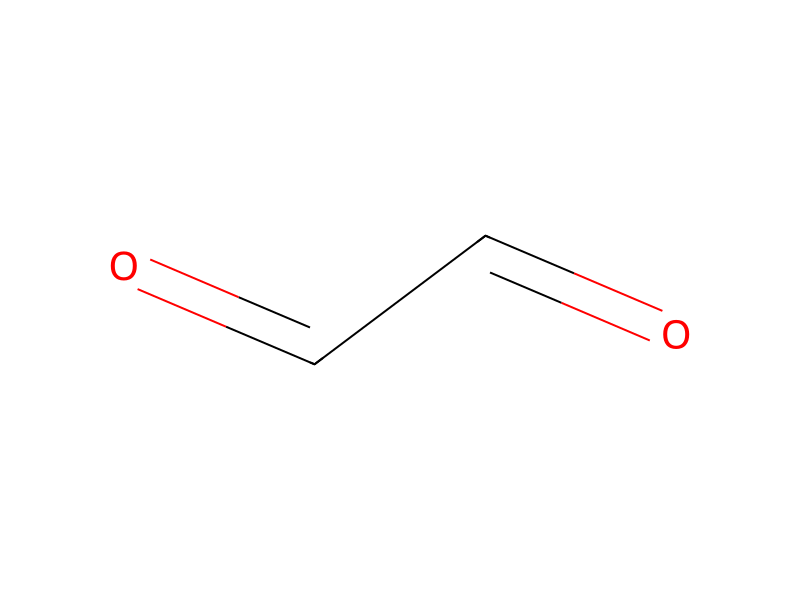
Glyoxal → 1-(2,4-Dimethyl-phenyl)-3-methyl-4,5-dihydroxy-imidazolidine-2-thione
Reaction equation

[CH3:1][C:2]1[CH:7]=[C:6]([CH3:8])[CH:5]=[CH:4][C:3]=1[NH:9][C:10]([NH:12][CH3:13])=[S:11].C[O:15][CH2:16][CH2:17][O:18]C.C(C=O)=O.NC(N)=S>C(N(CC)CC)C>[CH3:1][C:2]1[CH:7]=[C:6]([CH3:8])[CH:5]=[CH:4][C:3]=1[N:9]1[CH:16]([OH:15])[CH:17]([OH:18])[N:12]([CH3:13])[C:10]1=[S:11]Participants




Procedure
30.0 g of N-(2,4-dimethylphenyl)-N'-methyl-thiourea were stirred with 150 ml of 1,2-dimethoxy-ethane and 10 ml of triethylamine, and 36.0 g of a 30% strength aqueous solution of glyoxal was added. After stirring for a short time, the thiourea slowly dissolved, the reaction being exothermic. The temperature was allowed to rise to 50° C. and the solution was kept at this temperature for a further 1 hour. Thereafter, the solvent was distilled off in vacuo and the oily residue was stirred with water, with the addition of a little acetic acid. The reaction product, which solidified in the crystalline form, was filtered off, washed with water and dried. The yield was 37 g. For purification, the product could be recrystallised from isopropyl alcohol.
Workup
- additionwas added
- customto rise to 50° C.
- distillationThereafter, the solvent was distilled off in vacuo
- stirringthe oily residue was stirred with water, with the addition of a little acetic acid
- filtrationwas filtered off
- washwashed with water
- customdried
- customFor purification
- customthe product could be recrystallised from isopropyl alcohol
Sources & evidence
- ORD record
- ord-7908fbcf468344a2a719f980ed193374
- Source dataset
- uspto-grants-1979_11
- Patent number
- US04173645
Reaction notes
Loading…