Hydrazine → HCID 13533706, compound
Reaction equation

Cl[C:2]1[N:7]=[CH:6][C:5]([C:8]2[CH:9]=[N:10][CH:11]=[CH:12][CH:13]=2)=[CH:4][CH:3]=1.NN.[NH:16]([C:18]1N=CC(C2C=NC=CC=2)=CC=1)[NH2:17]>N1C=CC=CC=1.C(OCC)(OCC)OCC.C(O)(=O)C>[N:10]1[CH:11]=[CH:12][CH:13]=[C:8]([C:5]2[CH:4]=[CH:3][C:2]3[N:7]([CH:18]=[N:16][N:17]=3)[CH:6]=2)[CH:9]=1Participants
7





Procedure
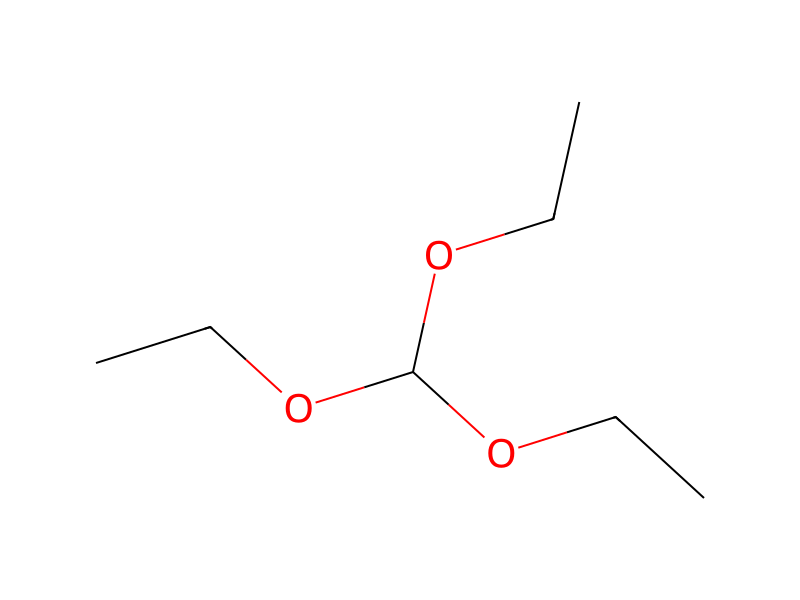
As described in Example 5, 2.2 g of 6-chloro-3,3'-bipyridine was treated with 3.6 ml of anhydrous hydrazine in pyridine at 115° C. for 48 hours. The resulting crude 6-hydrazino-3,3'-bipyridine was dissolved in 25 ml of triethyl orthoformate and 2 drops of acetic acid and heated to 130° C. for 10 hours. The volatiles were removed at reduced pressure and the residue purified by chromatography on silica gel, eluting with ethyl acetate:methanol (9:2). The obtained solid was recrystallized from ethyl acetate-methanol, giving the desired product, mp 200°-202.5° C.
Workup
- customThe volatiles were removed at reduced pressure
- customthe residue purified by chromatography on silica gel
- washeluting with ethyl acetate:methanol (9:2)
- customThe obtained solid was recrystallized from ethyl acetate-methanol
Sources & evidence
- ORD record
- ord-d1eca4d43d4d4520af3355af5dfeed08
- Source dataset
- uspto-grants-1985_10
- Patent number
- US04550166
Reaction notes
Loading…