Hydrogen Sulfide → HCID 54323588, compound
Reaction equation

[C:1]1([C:7](=O)[CH:8]([C:19]2[CH:24]=[CH:23][CH:22]=[CH:21][CH:20]=2)[CH2:9][C:10]([C:12]2[CH:17]=[CH:16][C:15]([Br:18])=[CH:14][CH:13]=2)=O)[CH:6]=[CH:5][CH:4]=[CH:3][CH:2]=1.P12(SP3(SP(SP(S3)(S1)=S)(=S)S2)=S)=[S:27].S.[OH-].[Na+]>C(O)C.C1(C)C(C)=CC=CC=1>[C:1]1([C:7]2[S:27][C:10]([C:12]3[CH:17]=[CH:16][C:15]([Br:18])=[CH:14][CH:13]=3)=[CH:9][C:8]=2[C:19]2[CH:24]=[CH:23][CH:22]=[CH:21][CH:20]=2)[CH:6]=[CH:5][CH:4]=[CH:3][CH:2]=1Participants
7





Procedure
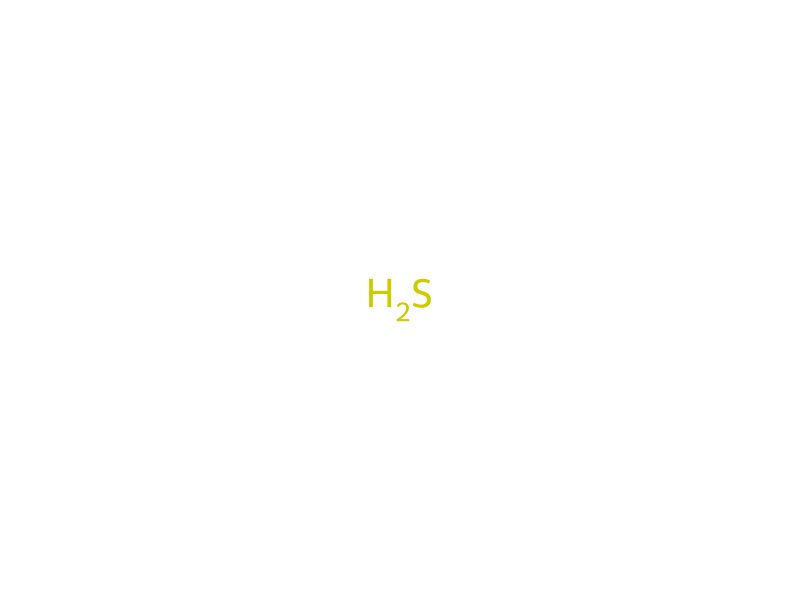
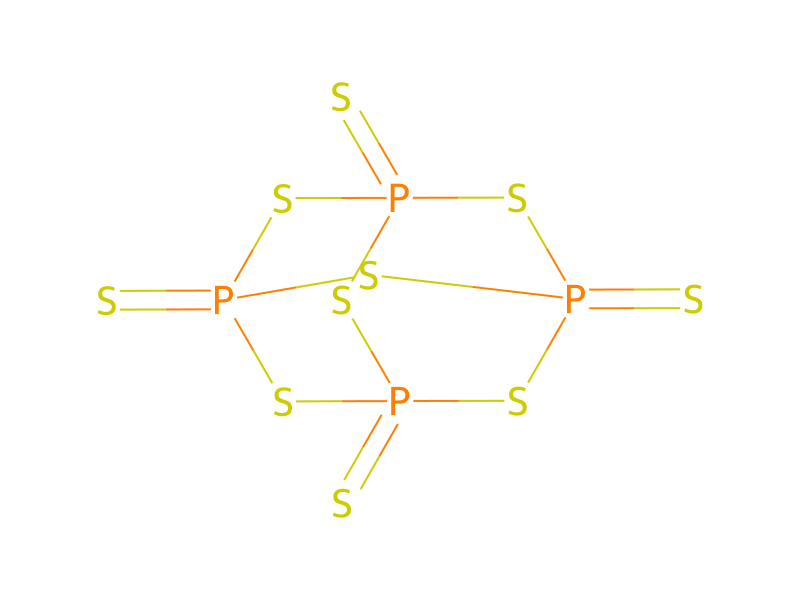
A mixture of 31.4 g (0.080 mole) of 1,2-diphenyl-4-p-bromophenylbutane-1,4-dione, 100 ml of xylene, 16 g (0.036 mole) of phosphorus pentasulfide and 125 g (3.67 mole) of hydrogen sulfide was heated in a 1-liter stainless steel autoclave with stirring for four hours at 156°-176° C. (1140-1320 psig). The reactor was cooled to room temperature and the hydrogen sulfide was led into a sodium hydroxide solution. Treatment of the residue with 150 ml of absolute ethanol gave 18.5 g (59.1%) of crude solid, m.p. 135°-137°. Recrystallization from 20 ml of dioxane and 60 ml. of absolute ethanol gave 16.5 g (52.7%) of pure 2,3-diphenyl-5-p-bromophenylthiophene.
Workup
- customRecrystallization from 20 ml of dioxane and 60 ml
Sources & evidence
- ORD record
- ord-5cc2a4771eed4b1892d11bdcfaf31951
- Source dataset
- uspto-grants-1979_11
- Patent number
- US04174405
Reaction notes
Loading…