Hydrogen Sulfide → 2,3-Diphenyl-5-o-chlorophenylthiophene
Reaction equation

[C:1]1([C:7](=O)[CH:8]([C:19]2[CH:24]=[CH:23][CH:22]=[CH:21][CH:20]=2)[CH2:9][C:10]([C:12]2[CH:17]=[CH:16][CH:15]=[CH:14][C:13]=2[Cl:18])=O)[CH:6]=[CH:5][CH:4]=[CH:3][CH:2]=1.P12(SP3(SP(SP(S3)(S1)=S)(=S)S2)=S)=[S:27].S>C1(C)C(C)=CC=CC=1>[C:1]1([C:7]2[S:27][C:10]([C:12]3[CH:17]=[CH:16][CH:15]=[CH:14][C:13]=3[Cl:18])=[CH:9][C:8]=2[C:19]2[CH:24]=[CH:23][CH:22]=[CH:21][CH:20]=2)[CH:6]=[CH:5][CH:4]=[CH:3][CH:2]=1Participants
5
Reactant 3

Product 1

Reagents, catalysts & solvents 1

Procedure
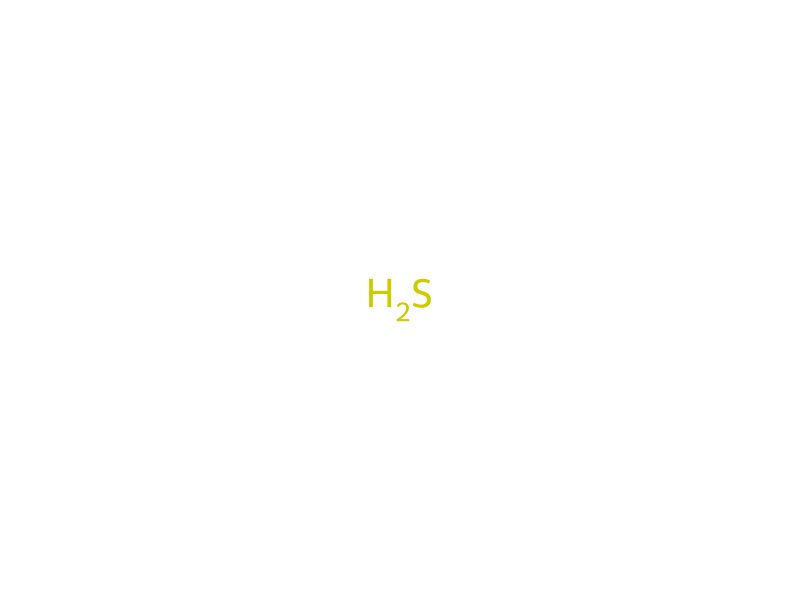
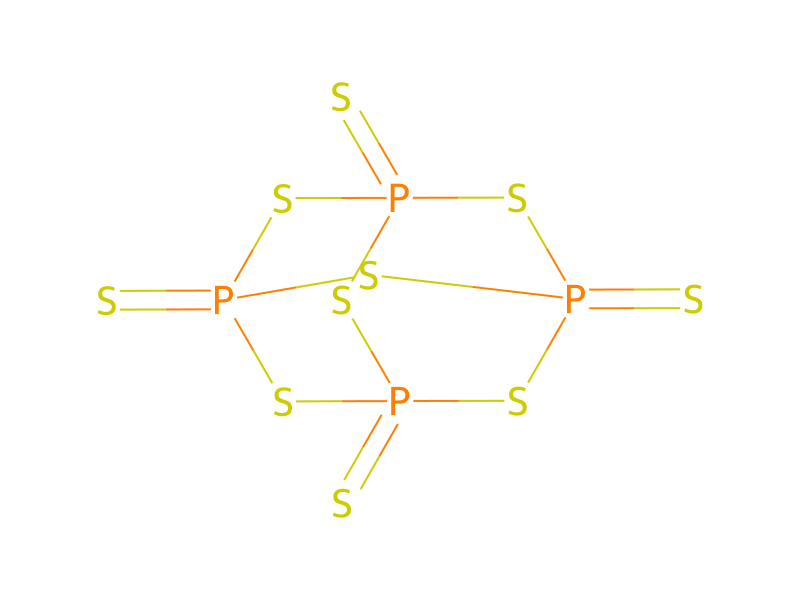
A 1-liter stainless steel stirred autoclave was charged with 33 g. (0.0946 mole) of 1,2-diphenyl-4-o-chlorophenylbutane-1,4-dione, 100 ml. of xylene, 20 g of phosphorus pentasulfide and 125 g of hydrogen sulfide. The autoclave was then heated at 160°-187° C. for three hours. The autoclave was cooled and vented. The residue was washed with ethanol and filtered off to give 17 g (51.8%) of crude product, m.p. 103°-107° C. Recrystallization from 20 ml of dioxane and 40 ml of ethanol gave 10.5 g (32%) of pure product, m.p. 117°-118° C.
Workup
- temperatureThe autoclave was then heated at 160°-187° C. for three hours
- temperatureThe autoclave was cooled
- washThe residue was washed with ethanol
- filtrationfiltered off
- customto give 17 g (51.8%) of crude product, m.p. 103°-107° C
- customRecrystallization from 20 ml of dioxane and 40 ml of ethanol
Sources & evidence
- ORD record
- ord-7753e8950ee947498c91a91e32258812
- Source dataset
- uspto-grants-1979_11
- Patent number
- US04174405
Reaction notes
Loading…