Dichloromethane → Decyl glycidyl ether
Reaction equation

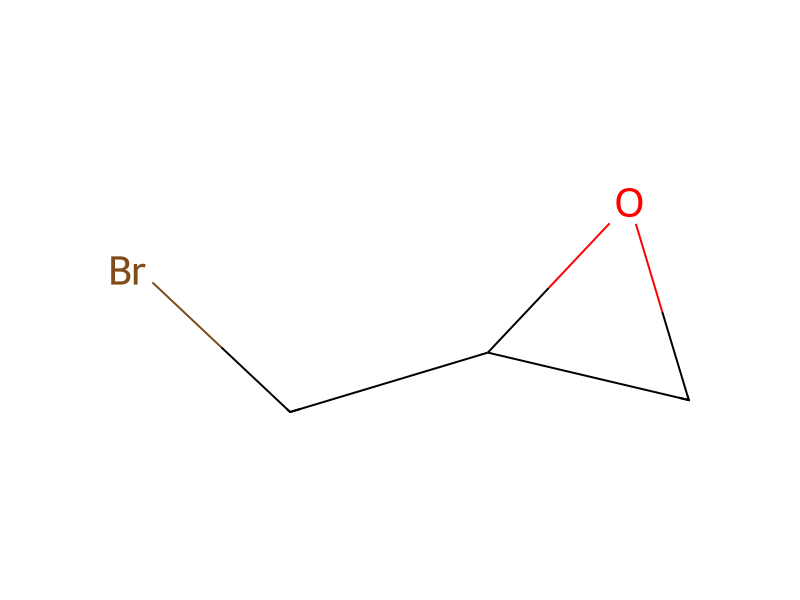
[CH2:1]([CH:3]1[O:5][CH2:4]1)Br.ClCCl.[OH-].[Na+].[CH2:11]([OH:21])[CH2:12][CH2:13][CH2:14][CH2:15][CH2:16][CH2:17][CH2:18][CH2:19][CH3:20]>S([O-])(O)(=O)=O.C([N+](CCCC)(CCCC)CCCC)CCC.O>[CH2:11]([O:21][CH2:1][CH:3]1[O:5][CH2:4]1)[CH2:12][CH2:13][CH2:14][CH2:15][CH2:16][CH2:17][CH2:18][CH2:19][CH3:20]Participants
7
Reactant 4



Product 1

Reagents, catalysts & solvents 2


Procedure
4.23 ml. (0.05 mole) epibromohydrin in a two-phase mixture of 150 ml. dichloromethane, 150 ml. 50% aqueous sodium hydroxide solution and 3.4 g. tetrabutylammonium hydrogen sulphate are mixed at ambient temperature with 9.52 ml. (0.05 mole) decan-1-ol and stirred overnight. The reaction mixture is then diluted with water and the organic phase is separated off, washed with water and evaporated. The oily residue is purified by column chromatography on silica gel with diethyl ether/isohexane (1:15 v/v). Yield 5.0 g. (47% of theory).
Workup
- customthe organic phase is separated off
- washwashed with water
- customevaporated
- customThe oily residue is purified by column chromatography on silica gel with diethyl ether/isohexane (1:15 v/v)
Sources & evidence
- ORD record
- ord-90844d90a9f24b84b768fbe2afe73230
- Source dataset
- uspto-grants-1992_10
- Patent number
- US05158942
Reaction notes
Loading…