4,4-Dimethyl-2-phenyl-2-oxazoline → HCID 70603445, compound
Reaction equation

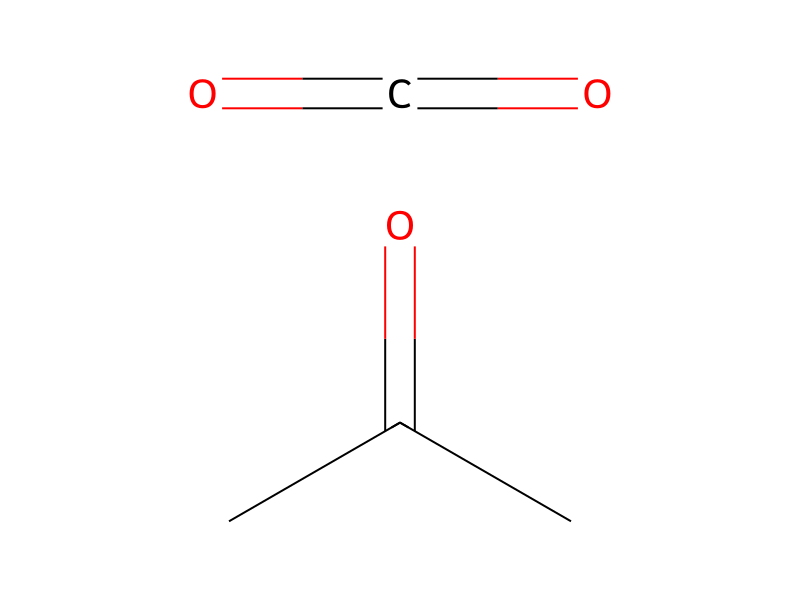
[CH3:1][C:2]1([CH3:13])[CH2:6][O:5][C:4]([C:7]2[CH:12]=[CH:11][CH:10]=[CH:9][CH:8]=2)=[N:3]1.C([Li])CCC.C(=O)=O.CC(C)=O.[Cl:26][CH2:27][Si:28]([C:31]1[CH:36]=[CH:35][C:34]([Cl:37])=[CH:33][CH:32]=1)([CH3:30])Cl>O1CCCC1.CCCCCC.CCOCC>[Cl-:26].[Cl:37][C:34]1[CH:35]=[CH:36][C:31]([Si:28]2([CH3:30])[C:12]3[CH:11]=[CH:10][CH:9]=[CH:8][C:7]=3[C:4]3[O:5][CH2:6][C:2]([CH3:13])([CH3:1])[N+:3]=3[CH2:27]2)=[CH:32][CH:33]=1Participants
Reactant 4



Product 1

Reagents, catalysts & solvents 3



Conditions
- Temperature
- -35 °C
Procedure
To 44.2 g (252 m mol) of 4,4-dimethyl-4,5-dihydro-2-phenyl oxazole in 570 ml of absolute tetrahydrofuran under nitrogen is added at -50° C. to -45° C. with stirring 173 ml (277 m mole) of 1.6 N n-butyl lithium in hexane. Stirring is continued at that temperature for 1.5 hours except for a brief period at the end thereof to allow for warming to -35° C. The resulting mixture containing a yellow precipitate is re-cooled with dry ice-acetone and 61 g (255 m mol) of chloromethyl-p-chlorophenyl methyl chloro silane is added maintaining the temperature at between -78° C. and -55° C. The contents are allowed to warm to room temperature over a period of 3 hours and the resulting homogeneous solution is maintained at room temperature for an additional 20 hours. Addition of 1.2 ml of ether-ligroine (1:1) precipitates a semi-solid. The supernatent liquid is decanted and the residue is combined with 300 ml of methylene chloride and stirred briefly. The light slurry is filtered to remove lithium chloride and the mother liquor is concentrated in vacuo to 67.9 g of pink foam. Most of the foam is dissolved in cold water, sodium chloride solution (ca. 30%) is added, the aqueous phase is extracted with ethyl acetate to remove some impurities, and the remainder is extracted with chloroform. The chloroform phase is dried with sodium sulfate and evaporated. Addition of acetone and ether yields crystalline product having a melting point of 119°-121° C. Recrystallization from acetone-ethyl acetate (Ca. 1:1) provides product melting at 118°-120° C.
Workup
- additionThe resulting mixture containing a yellow precipitate
- additionis added
- temperaturemaintaining the temperature at between -78° C. and -55° C
- temperatureto warm to room temperature over a period of 3 hours
- temperaturethe resulting homogeneous solution is maintained at room temperature for an additional 20 hours
- customprecipitates a semi-solid
- customThe supernatent liquid is decanted
- stirringstirred briefly
- filtrationThe light slurry is filtered
- customto remove lithium chloride
- concentrationthe mother liquor is concentrated in vacuo to 67.9 g of pink foam
- dissolutionMost of the foam is dissolved in cold water
- additionsodium chloride solution (ca. 30%) is added
- extractionthe aqueous phase is extracted with ethyl acetate
- customto remove some impurities
- extractionthe remainder is extracted with chloroform
- dry with materialThe chloroform phase is dried with sodium sulfate
- customevaporated
- additionAddition of acetone and ether
- customyields crystalline product
- customRecrystallization from acetone-ethyl acetate (Ca. 1:1)
Sources & evidence
- ORD record
- ord-73ee06b9c3bb4138bf42c0621b327c2c
- Source dataset
- uspto-grants-1979_11
- Patent number
- US04175091
Reaction notes
Loading…