Trifluoroacetic acid → HCID 70098375, compound
Reaction equation

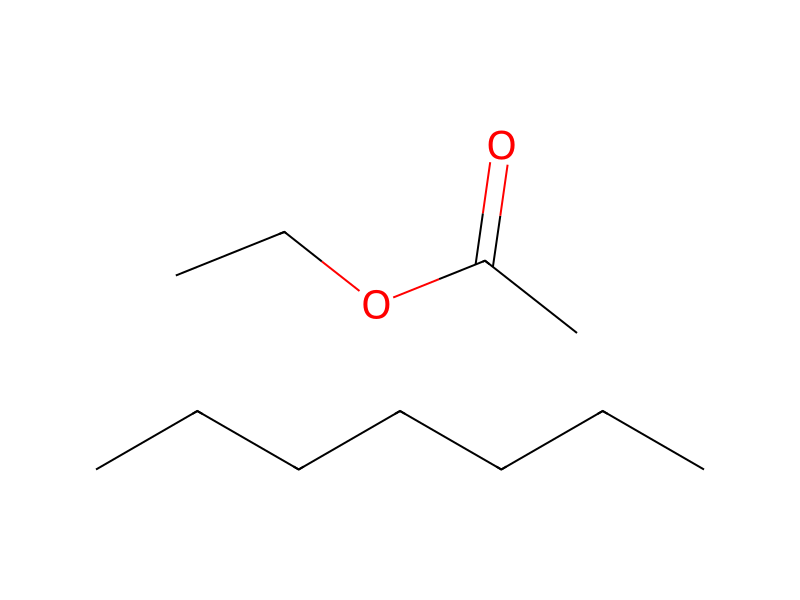
[CH3:1][O:2][C:3]([C:5]1[C:10]([N:11](C(OC(C)(C)C)=O)C(OC(C)(C)C)=O)=[N:9][CH:8]=[C:7]([CH2:26][CH:27]([CH3:29])[CH3:28])[N:6]=1)=[O:4].FC(F)(F)C(O)=O.CCCCCCC.C(OCC)(=O)C>ClCCl>[CH3:1][O:2][C:3]([C:5]1[C:10]([NH2:11])=[N:9][CH:8]=[C:7]([CH2:26][CH:27]([CH3:29])[CH3:28])[N:6]=1)=[O:4]Participants
5
Reactant 3


Product 1

Reagents, catalysts & solvents 1

Procedure
To a solution of 3-(bis(tert-butoxycarbonyl)amino)-6-isobutylpyrazine-2-carboxylic acid methyl ester (201 mg, 442 μmol) in dichloromethane (4 mL) was added trifluoroacetic acid (511 μL, 6.63 mmol) at room temperature. The mixture was stirred at ambient temperature for 3 h and the volatiles were evaporated. The residue was dissolved in dichloromethane (50 mL) and extracted with sodium carbonate. The aqueous phase was washed with dichloromethane and the organic layers were dried and evaporated. The product was obtained after silica gel chromatography using a heptane/ethyl acetate gradient as light yellow solid (88 mg, 95%).
Workup
- customthe volatiles were evaporated
- dissolutionThe residue was dissolved in dichloromethane (50 mL)
- extractionextracted with sodium carbonate
- washThe aqueous phase was washed with dichloromethane
- customthe organic layers were dried
- customevaporated
- customThe product was obtained after silica gel chromatography
Sources & evidence
- ORD record
- ord-9af187d9cd214afe9835599ff09a2369
- Source dataset
- uspto-grants-2014_01
- Patent number
- US08623866B2
Reaction notes
Loading…