Aluminum(III) Chloride → 6-(5-bromo-pyridin-3-carbonyl)-4-methyl-3H-benzoxazol-2-one
Reaction equation

Cl.[Br:2][C:3]1[CH:4]=[N:5][CH:6]=[C:7]([CH:11]=1)[C:8](Cl)=[O:9].[CH3:12][C:13]1[C:18]2[NH:19][C:20](=[O:22])[O:21][C:17]=2[CH:16]=[CH:15][CH:14]=1.[Cl-].[Cl-].[Cl-].[Al+3]>>[Br:2][C:3]1[CH:11]=[C:7]([C:8]([C:15]2[CH:14]=[C:13]([CH3:12])[C:18]3[NH:19][C:20](=[O:22])[O:21][C:17]=3[CH:16]=2)=[O:9])[CH:6]=[N:5][CH:4]=1Participants
4

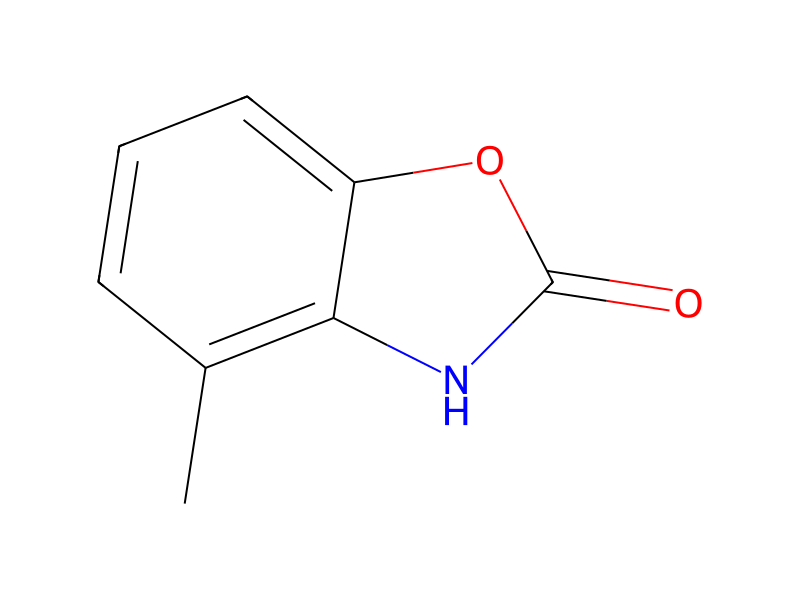


Procedure
2.57 g (10.0 mmol) 5-bromo-nicotinic acid chloride hydrochloride, 1.49 g (10.0 mmol) 4-methyl-3H-benzoxazol-2-one and 5.33 g (40.0 mmol) aluminium trichloride were heated to 125° C. with stirring for 1.5 h. After cooling to RT the mixture was mixed with ice water. The precipitate formed was suction filtered, washed with water and dried i. vac.
Workup
- customThe precipitate formed
- filtrationfiltered
- washwashed with water
- customdried i
Sources & evidence
- ORD record
- ord-708df34646e244ee8b57dd9f0e41748c
- Source dataset
- uspto-grants-2014_01
- Patent number
- US08629137B2
Reaction notes
Loading…