Dichloromethane → HCID 44219554, compound
Reaction equation

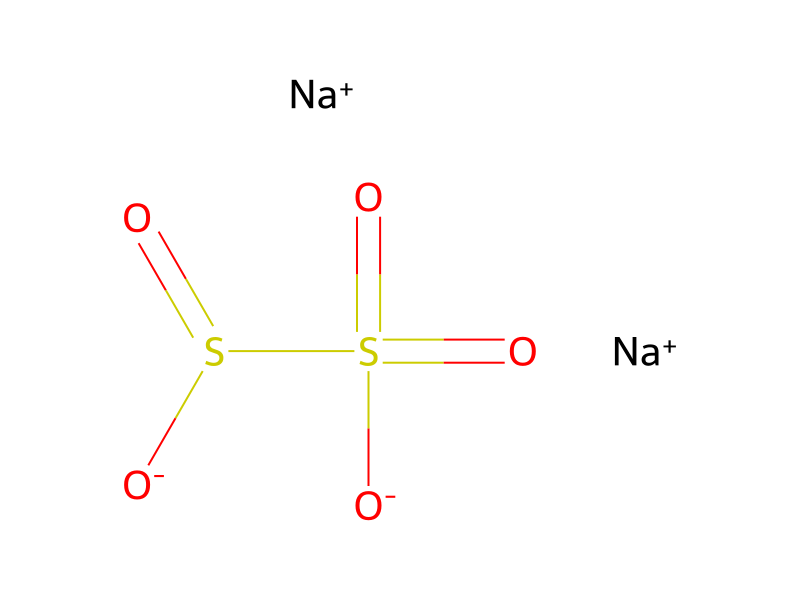
[Br:1][C:2]1[N:3]=[C:4](SCC2C=CC(Cl)=CC=2)[C:5](=[O:10])[N:6]([CH2:8][CH3:9])[CH:7]=1.Cl[C:21]1[CH:26]=[CH:25][CH:24]=[C:23]([C:27](OO)=O)[CH:22]=1.[S:31](S([O-])=O)([O-:34])(=O)=[O:32].[Na+].[Na+].[Cl:40]CCl>>[Br:1][C:2]1[N:3]=[C:4]([S:31]([CH2:27][C:23]2[CH:22]=[CH:21][C:26]([Cl:40])=[CH:25][CH:24]=2)(=[O:34])=[O:32])[C:5](=[O:10])[N:6]([CH2:8][CH3:9])[CH:7]=1Participants
5




Procedure
4.6 g (12.7 mM) of 5-bromo-3-[(4-chlorobenzyl)thio]-1-ethylpyrazin-2(1H)-one and 9.9 g (40 mM) of metachloroperbenzoic acid (70%) in 75 ml of dichloromethane were stirred for 10 min at room temperature. Aqueous 2M solution of sodium metabisulphite was added, the organic layer was separated and washed with an aqueous solution of hydrogenocarbonate, then with water and evaporated under vacuum. The residue was taken up in diisopropyle oxide. A solid was filtered and washed with diisopropyle oxide, to give 4.3 g of 5-bromo-3-[(4-chlorobenzyl)sulfonyl]-1-ethylpyrazin-2(1H)-one. Yield: 87%.
Workup
- customthe organic layer was separated
- washwashed with an aqueous solution of hydrogenocarbonate
- customwith water and evaporated under vacuum
- filtrationA solid was filtered
- washwashed with diisopropyle oxide
Sources & evidence
- ORD record
- ord-a1f2d1d645b84f9db4a451d2d449496b
- Source dataset
- uspto-grants-2014_01
- Patent number
- US08637522B2
Reaction notes
Loading…