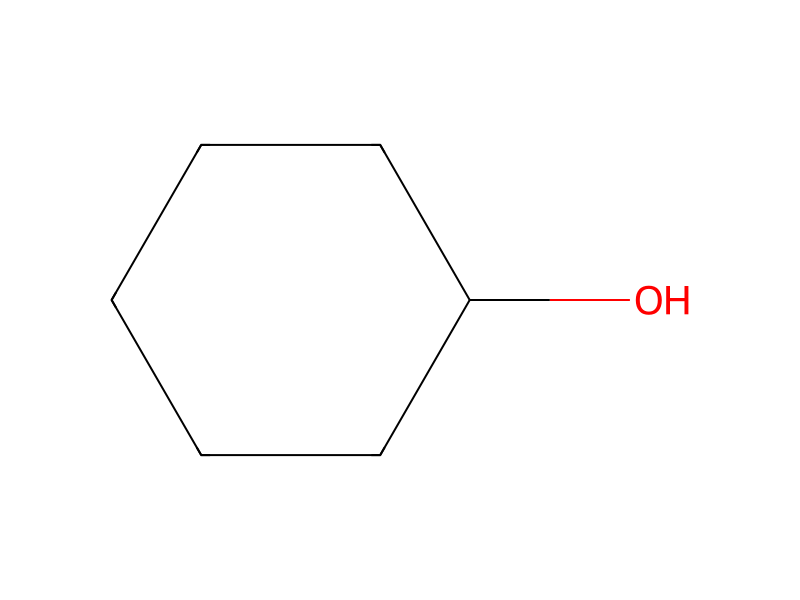
Cyclohexanol → HCID 14771304, compound
Reaction equation

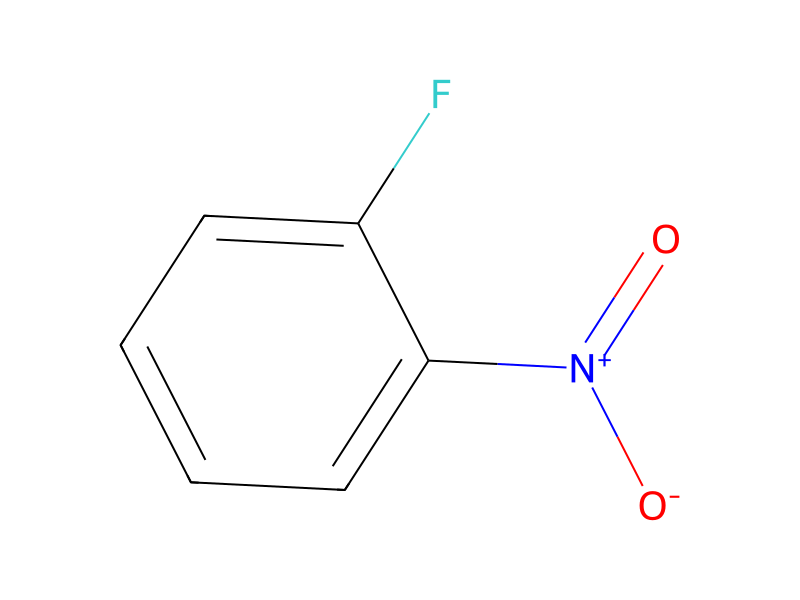
[H-].[Na+].[CH:3]1([OH:9])[CH2:8][CH2:7][CH2:6][CH2:5][CH2:4]1.F[C:11]1[CH:16]=[CH:15][CH:14]=[CH:13][C:12]=1[N+:17]([O-:19])=[O:18]>O1CCOCC1>[CH:3]1([O:9][C:11]2[CH:16]=[CH:15][CH:14]=[CH:13][C:12]=2[N+:17]([O-:19])=[O:18])[CH2:8][CH2:7][CH2:6][CH2:5][CH2:4]1Participants
Reactant 3

Product 1

Reagents, catalysts & solvents 1

Procedure
To 40 ml of a dioxane suspension containing 0.92 g of 60% sodium hydride was added 2.5 ml of cyclohexanol at room temperature over a 15-minute period, and the mixture was stirred at the same temperature for 1 hour and then at 50° C. for 3.5 hours. The temperature of the reaction solution was returned to room temperature, 10 ml of a dioxane containing 3.2 g of 2-fluoronitrobenzene was added dropwise, and the mixture was stirred at room temperature overnight. The dioxane was evaporated, the residue was extracted with chloroform, and the chloroform layer was washed, in turn, with water and a saturated aqueous sodium chloride solution and then dried over anhydrous sodium sulfate. The solvent was evaporated to give an oil, which was then distilled under reduced pressure to give 3.8 g of 2-cyclohexyloxynitrobenzene.
Workup
- waitat 50° C. for 3.5 hours
- customwas returned to room temperature
- stirringthe mixture was stirred at room temperature overnight
- customThe dioxane was evaporated
- extractionthe residue was extracted with chloroform
- washthe chloroform layer was washed, in turn, with water
- dry with materiala saturated aqueous sodium chloride solution and then dried over anhydrous sodium sulfate
- customThe solvent was evaporated
- customto give an oil, which
- distillationwas then distilled under reduced pressure
Sources & evidence
- ORD record
- ord-86d185b0bfc440bdb9d5e1661b7cb626
- Source dataset
- uspto-grants-1989_12
- Patent number
- US04885367
Reaction notes
Loading…