Water → 3-Hydroxymethyl-6-methyl-2-(3-nitrophenylamino)pyridine
Reaction equation

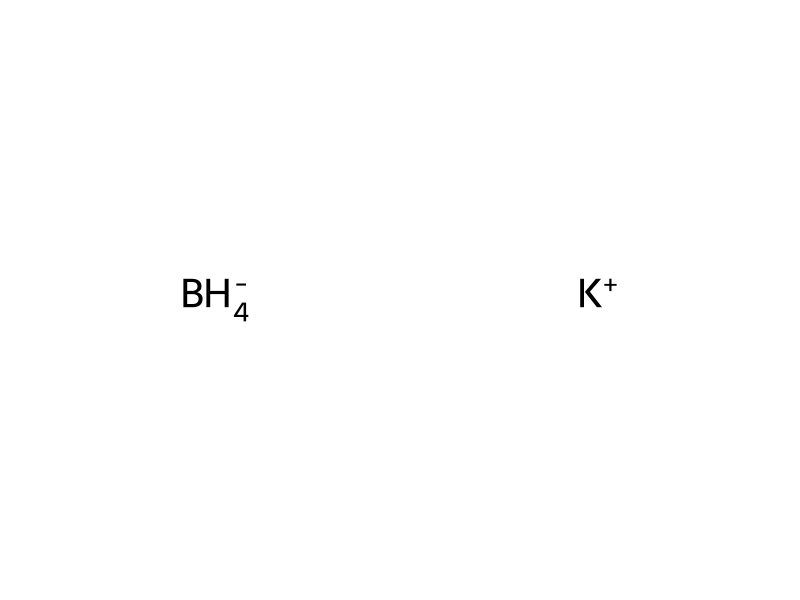
C[O:2][C:3](=O)[C:4]1[CH:9]=[CH:8][C:7]([CH3:10])=[N:6][C:5]=1[NH:11][C:12]1[CH:17]=[CH:16][CH:15]=[C:14]([N+:18]([O-:20])=[O:19])[CH:13]=1.[BH4-].[K+].[Cl-].[Li+].O>C1COCC1>[OH:2][CH2:3][C:4]1[C:5]([NH:11][C:12]2[CH:17]=[CH:16][CH:15]=[C:14]([N+:18]([O-:20])=[O:19])[CH:13]=2)=[N:6][C:7]([CH3:10])=[CH:8][CH:9]=1Participants
6
Reactant 4



Product 1

Reagents, catalysts & solvents 1

Procedure
To a solution of 6-methyl-2-(3-nitrophenylamino)nicotinic acid methyl ester (13.84 g, 48.18 mmol) in THF (180 ml) was added potassium borohydride (3.12 g, 57.82 mmol) and lithium chloride (2.45 g, 58.82 mmol) and the mixture was heated under reflux. Potassium borohydride (0.52 g, 9.64 mmol) was added three times at one hour intervals and the mixture was further heated under reflux for 1 hour. Evaporation of the solvent under reduced pressure gave a residue which was admixed with water to form crystals. The crystals were collected by filtration, washed successively with water and isopropanol, and dried to give 3-hydroxymethyl-6-methyl-2-(3-nitrophenylamino)-pyridine (11.05 g, 88%).
Workup
- temperaturethe mixture was heated
- temperatureunder reflux
- temperaturethe mixture was further heated
- temperatureunder reflux for 1 hour
- customEvaporation of the solvent under reduced pressure
- customgave a residue which
- customto form crystals
- filtrationThe crystals were collected by filtration
- washwashed successively with water and isopropanol
- customdried
Sources & evidence
- ORD record
- ord-16615466c1ee47b4b6b856d17d26c049
- Source dataset
- uspto-grants-2003_11
- Patent number
- US06642250B2
Reaction notes
Loading…