Bicarbonate Ion → HCID 22936102, compound
Reaction equation

[C:1](=[O:4])([OH:3])[O-:2].[Na+:5].[OH-].[Na+].[C:8](=[O:11])([OH:10])[O-:9].[OH-].[C:13](=[O:16])([O-:15])[O-:14].[Na+].[Na+]>O>[C:1](=[O:2])([OH:4])[OH:3].[Na+:5].[C:8](=[O:9])([O-:11])[O-:10].[C:13](=[O:14])([OH:16])[OH:15].[Na+:5]Participants
7
Reactant 5

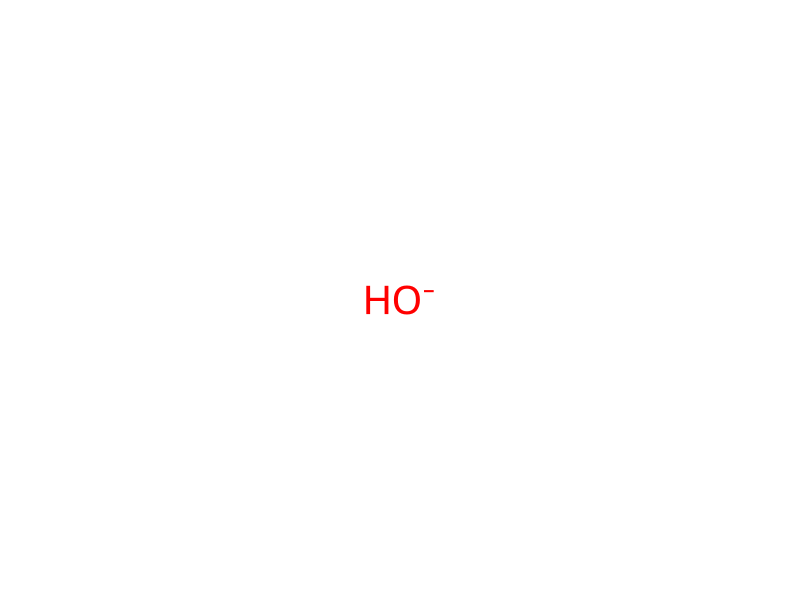



Product 1

Reagents, catalysts & solvents 1

Procedure
According to U.S. Pat. No. 3,334,963 sodium carbonate is produced by mixing crude wet sodium bicarbonate crystals with an aqueous solution of sodium hydroxide, the ratio of bicarbonate to hydroxide in terms of sodium carbonate equivalents being from 6:1 to 1:1 in the presence of a total of 15-40% by weight of water thereby forming substantial amounts of sodium sesquicarbonate. The mixture thus obtained is then calcined to yield low density anhydrous sodium carbonate having a large particle size and excellent absorptive capacity.
Sources & evidence
- ORD record
- ord-bd62684945ed401892c6545eddd2c0ab
- Source dataset
- uspto-grants-1998_08
- Patent number
- US05788947
Reaction notes
Loading…