Sodium Bicarbonate → HCID 19067154, compound
Reaction equation

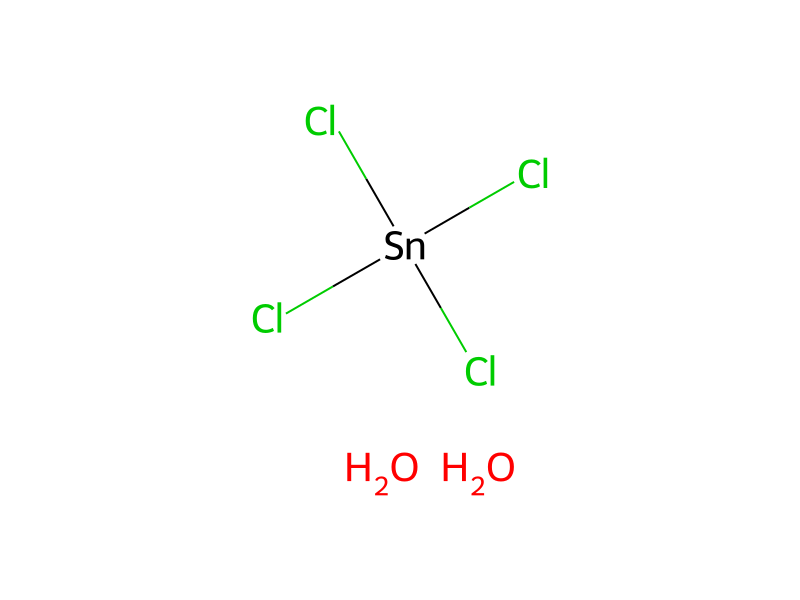
[CH2:1]([O:3][C:4]([CH2:6][CH:7]([N:9]1[CH2:18][CH2:17][C:16]2[C:11](=[CH:12][C:13]([N+:19]([O-])=O)=[CH:14][CH:15]=2)[CH2:10]1)[CH3:8])=[O:5])[CH3:2].O.O.[Sn](Cl)(Cl)(Cl)Cl.C(=O)(O)[O-].[Na+]>C(O)C>[NH2:19][C:13]1[CH:12]=[C:11]2[C:16]([CH2:17][CH2:18][N:9]([CH:7]([CH3:8])[CH2:6][C:4]([O:3][CH2:1][CH3:2])=[O:5])[CH2:10]2)=[CH:15][CH:14]=1Participants
Reactant 3


Product 1

Reagents, catalysts & solvents 1

Procedure
0.43 g of 2-[2-(ethoxycarbonyl)-1-methylethyl]-7-nitro-1,2,3,4-tetrahydroisoquinoline was dissolved in 10 ml of ethanol, and 1.23 g of tin chloride dihydrate was added to the solution. The solution was heated under reflux for 30 minutes to allow for the reaction to take place. The resulting solution was made basic by adding saturated aqueous solution of sodium bicarbonate, and the insoluble content was separated by using celite. The solution was extracted with ethyl acetate, washed with saturated aqueous solution of sodium chloride, and dried with anhydrous sodium sulfate. After separating the desiccant by filtration, the residue was concentrated under reduced pressure to obtain 0.36 g of 7-amino-2-[2-(ethoxycarbonyl)-1-methylethyl]-1,2,3,4-tetrahydroisoquinoline, which was a brown oily product (yield: 93%).
Workup
- temperatureThe solution was heated
- temperatureunder reflux for 30 minutes
- customto allow for the reaction
- customthe insoluble content was separated
- extractionThe solution was extracted with ethyl acetate
- washwashed with saturated aqueous solution of sodium chloride
- dry with materialdried with anhydrous sodium sulfate
- customAfter separating the desiccant
- filtrationby filtration
- concentrationthe residue was concentrated under reduced pressure
Sources & evidence
- ORD record
- ord-2b8b0855569242fd9e5e120643ab4259
- Source dataset
- uspto-grants-1998_08
- Patent number
- US05789595
Reaction notes
Loading…