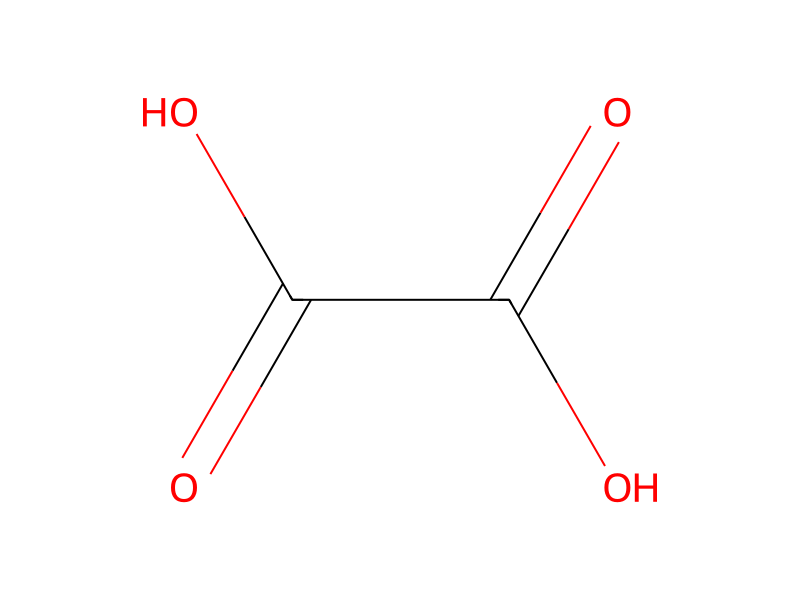
Oxalic Acid → 6-Bromo-8-methyl-1,4,7,8,9,10-hexahydro-pyrido[4,3-f]quinoxaline-2,3-dione
Reaction equation

[Br:1][C:2]1[CH:3]=[C:4]([NH2:14])[C:5]([NH2:13])=[C:6]2[C:11]=1[CH2:10][N:9]([CH3:12])[CH2:8][CH2:7]2.[C:15](O)(=[O:19])[C:16](O)=[O:17]>Cl>[Br:1][C:2]1[C:11]2[CH2:10][N:9]([CH3:12])[CH2:8][CH2:7][C:6]=2[C:5]2[NH:13][C:15](=[O:19])[C:16](=[O:17])[NH:14][C:4]=2[CH:3]=1Participants
4



Procedure
A solution of the product from Example 13 (0.62 g, 2.56 mmol) and oxalic acid (0.23 g, 2.56 mmol) in 25 mL of 3N aqueous HCl solution were heated at reflux for 18 hours. The reaction mixture was cooled to room temperature and the solid which formed was collected by filtration and washed with cold water. The solid was recrystallized from hot water and dried under vacuum (100° C., P2O5) to give the title compound as a tan solid (0.191 g, 20%), mp=315-320° C. (dec.).
Workup
- temperatureat reflux for 18 hours
- customthe solid which formed
- filtrationwas collected by filtration
- washwashed with cold water
- customThe solid was recrystallized from hot water
- dry with materialdried under vacuum (100° C., P2O5)
Sources & evidence
- ORD record
- ord-28485785eeb5490989bcf2076b9474c3
- Source dataset
- uspto-grants-2004_03
- Patent number
- US06703391B2
Reaction notes
Loading…