N-methyl-2-pyrrolidone → HCID 20242569, compound
Reaction equation

Br[C:2]1[CH:7]=[CH:6][C:5]([CH:8]2[C:17]3[C:12](=[CH:13][CH:14]=[CH:15][CH:16]=3)[CH2:11][C:10](=[O:18])[NH:9]2)=[CH:4][CH:3]=1.[CH3:19][N:20]1CCCC1=O>C(N)CN>[C:19]([C:2]1[CH:7]=[CH:6][C:5]([CH:8]2[C:17]3[C:12](=[CH:13][CH:14]=[CH:15][CH:16]=3)[CH2:11][C:10](=[O:18])[NH:9]2)=[CH:4][CH:3]=1)#[N:20]Participants
4
Reactant 2


Product 1

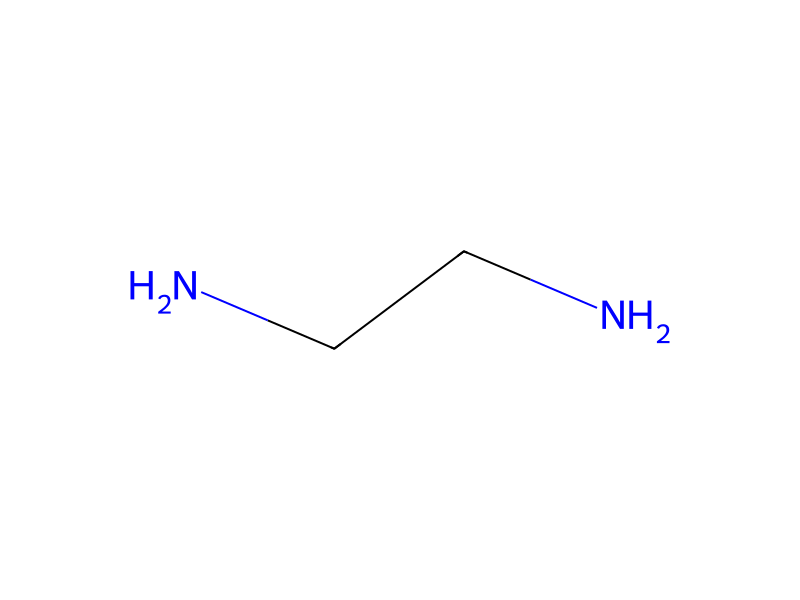
Reagents, catalysts & solvents 1
Procedure
A solution of 1-(4-bromophenyl)-1,4-dihydroisoquinol-3-one (15.1 g, 50 mmol) and cuprous cyanide (8.95 g, 100 mmol) in N-methylpyrrolidinone (150 ml) was heated under reflux under a nitrogen atmosphere for 2 h. The solution was cooled and diluted with 10% aqueous ethylenediamine solution (1000 ml), then extracted with ethyl acetate (4×250 ml). The combined extracts were washed with water (4×250 ml) and brine (250 ml), then dried (MgSO4) and evaporated to dryness to leave a pale brown solid which was crystallised from ethyl acetate to give the title compound (8.43 g, 68%), m.p. 165°-168° C. (ethanol).
Workup
- temperatureunder reflux under a nitrogen atmosphere for 2 h
- temperatureThe solution was cooled
- extractionextracted with ethyl acetate (4×250 ml)
- washThe combined extracts were washed with water (4×250 ml) and brine (250 ml)
- dry with materialdried (MgSO4)
- customevaporated to dryness
- customto leave a pale brown solid which
- customwas crystallised from ethyl acetate
Sources & evidence
- ORD record
- ord-d5214a54b4714c4d97ccd728ad4d9c4c
- Source dataset
- uspto-grants-1986_03
- Patent number
- US04578393
Reaction notes
Loading…