1,4-Dioxane hydrochloride → N-benzyl-2-amino-5-indan carboxamide hydrochloride
Reaction equation

[CH2:1]([NH:8][C:9]([C:11]1[CH:12]=[C:13]2[C:17](=[CH:18][CH:19]=1)[CH2:16][CH:15]([NH:20]C(OC(C)(C)C)=O)[CH2:14]2)=[O:10])[C:2]1[CH:7]=[CH:6][CH:5]=[CH:4][CH:3]=1.[ClH:28].O1CCOCC1>C(O)(=O)C>[ClH:28].[CH2:1]([NH:8][C:9]([C:11]1[CH:12]=[C:13]2[C:17](=[CH:18][CH:19]=1)[CH2:16][CH:15]([NH2:20])[CH2:14]2)=[O:10])[C:2]1[CH:3]=[CH:4][CH:5]=[CH:6][CH:7]=1Participants
4
Reactant 2
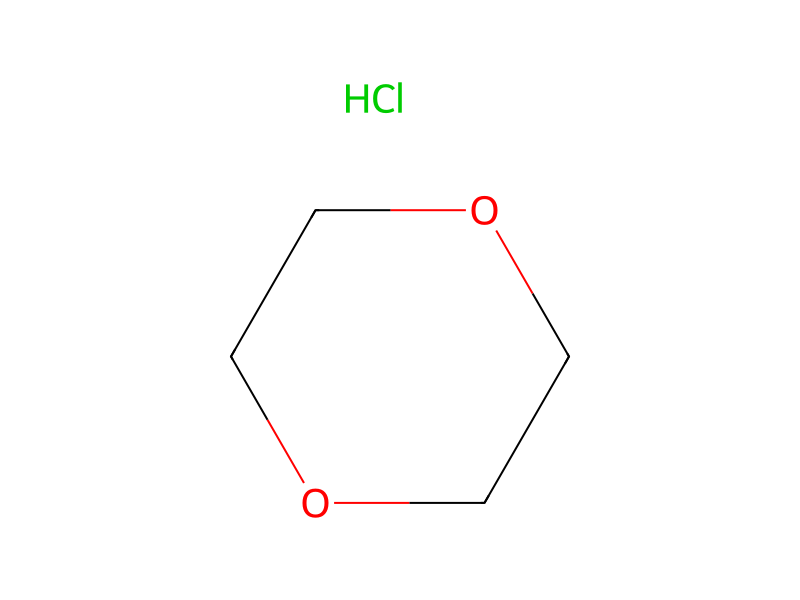

Product 1

Reagents, catalysts & solvents 1

Procedure
Using N-benzyl-2-(tert-butoxycarbonylamino)-5-indan carboxamide (820 mg, 2.2 mmol), 4N hydrochloric acid-dioxane (10 ml) and acetic acid (30 ml), a similar procedure to Production Example 213 was carried out to obtain N-benzyl-2-amino-5-indan carboxamide hydrochloride (660 mg, 2.2 mmol) having the following physical properties:
Sources & evidence
- ORD record
- ord-34e3df64b6094d4695de6fdcb50d62d6
- Source dataset
- uspto-grants-2004_03
- Patent number
- US06703421B1
Reaction notes
Loading…