2-Chloroethanol → Ristianol
Reaction equation

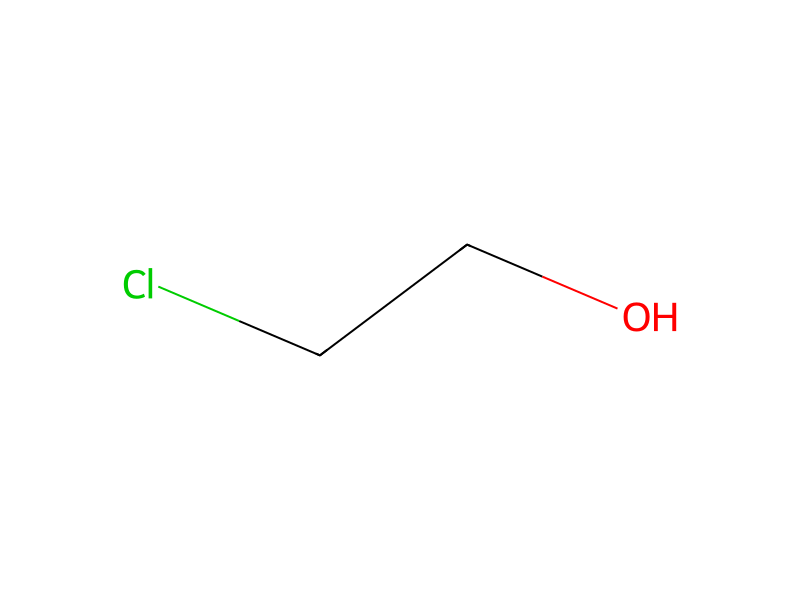
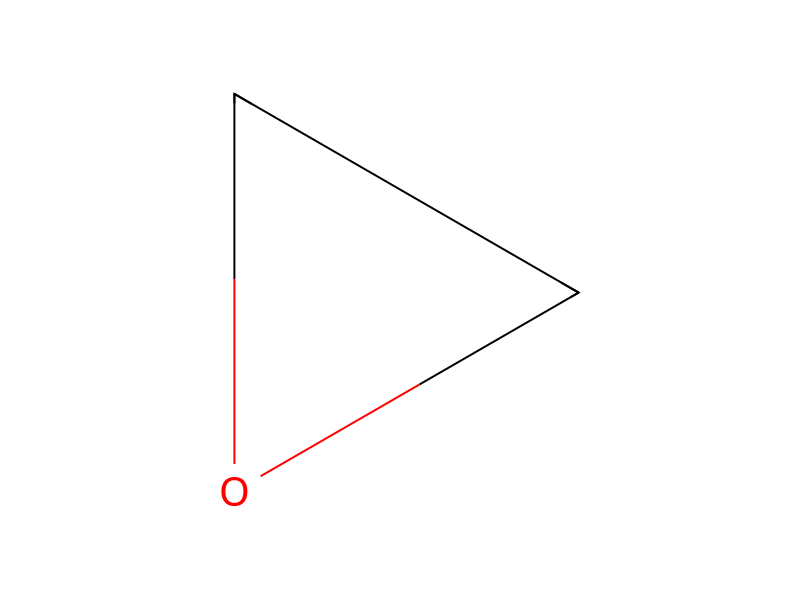
[N:1]1[CH:6]=[CH:5][C:4]([CH2:7][SH:8])=[CH:3][CH:2]=1.Cl[CH2:10][CH2:11][OH:12].BrCCO.C1OC1>>[OH:12][CH2:11][CH2:10][S:8][CH2:7][C:4]1[CH:5]=[CH:6][N:1]=[CH:2][CH:3]=1Participants
5


Procedure
By following the method of Examples 10-14, 4-picolyl mercaptan is reacted with 2-chloroethanol, 2-bromoethanol or ethylene oxide to yield 4-(2-hydroxyethylthiomethyl)pyridine, with 2-bromo-1-propanol to yield 4-(2-hydroxy-1-propylthiomethyl)-pyridine, with 1-chloro-2-propanol to yield 4-(1-hydroxy-2-propylthiomethyl) pyridine, with bromoacetaldehyde diethyl acetal (followed by acid catalyzed hydrolysis) to yield 4-picolylthioacetaldehyde, with 3-bromo-2-butanol to yield 4-(3-hydroxy-2-butylthiomethyl) pyridine, with ethyl 2-bromoacetate to yield ethyl 4-picolylthioacetate, with ethyl 2-chloropropionate to yield ethyl 2-(4-picolylthio)propionate and with methyl 2-phenyl-2-bromoacetate to yield methyl phenyl(4-picolylthio)acetate.
Sources & evidence
- ORD record
- ord-14b023746bdc4428890162446b8670e2
- Source dataset
- uspto-grants-1985_08
- Patent number
- US04535084
Reaction notes
Loading…