Potassium Iodide → N-[4-bromo-3-cyanomethoxyphenyl]-3,4,5,6-tetrahydrophthalimide
Reaction equation

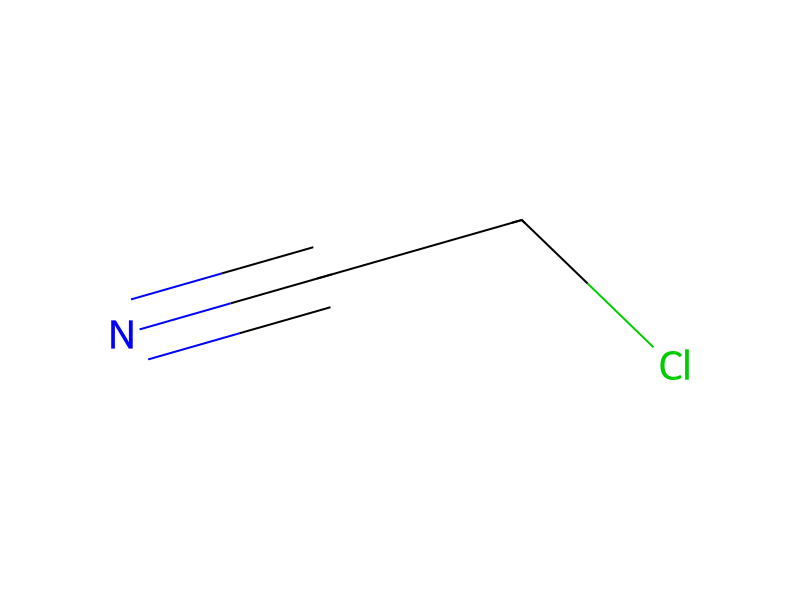
Cl[CH2:2][C:3]#[N:4].[I-].[K+].[Br:7][C:8]1[CH:13]=[CH:12][C:11]([N:14]2[C:18](=[O:19])[C:17]3[CH2:20][CH2:21][CH2:22][CH2:23][C:16]=3[C:15]2=[O:24])=[CH:10][C:9]=1[OH:25].C(=O)([O-])[O-].[K+].[K+]>CC(C)=O>[Br:7][C:8]1[CH:13]=[CH:12][C:11]([N:14]2[C:15](=[O:24])[C:16]3[CH2:23][CH2:22][CH2:21][CH2:20][C:17]=3[C:18]2=[O:19])=[CH:10][C:9]=1[O:25][CH2:2][C:3]#[N:4]Participants
6





Procedure
A mixture of 1.0 g. of chloroacetonitrile, 2.2 g. of potassium iodide and 25 ml. of acetone was stirred at room temperature for 1 hour and then, 3.5 g. of N-(4-bromo-3-hydroxyphenyl)-3,4,5,6-tetrahydrophthalimide and 1.8 g. of potassium carbonate were added and the mixture was refluxed with stirring for 5 hours. The solvent was distilled off under a reduced pressure and 2N-HCl was added to the residue to precipitate the product. The precipitate was separated by a filtration and washed with water and dried and recrystallized from ethanol to obtain 2.7 g. of Compound No. 229 shown in Table 1.
Workup
- additionA mixture of 1.0 g
- temperaturethe mixture was refluxed
- distillationThe solvent was distilled off under a reduced pressure and 2N-HCl
- additionwas added to the residue
- customto precipitate the product
- customThe precipitate was separated by a filtration
- washwashed with water
- customdried
- customrecrystallized from ethanol
- customto obtain 2.7 g
Sources & evidence
- ORD record
- ord-e31bd16767dc4611890a6257ed12acfc
- Source dataset
- uspto-grants-1985_08
- Patent number
- US04536209
Reaction notes
Loading…