Cyclopentanone → HCID 19097476, compound
Reaction equation

[CH3:1][N:2]1[CH2:7][CH2:6][CH:5]([CH3:8])[C:4]([CH3:12])([CH2:9][CH2:10][NH2:11])[CH:3]1[CH3:13].[C:14]1(=O)[CH2:18][CH2:17][CH2:16][CH2:15]1.[H][H]>[Pd].C(O)C>[CH:14]1([NH:11][CH2:10][CH2:9][C:4]2([CH3:12])[CH:5]([CH3:8])[CH2:6][CH2:7][N:2]([CH3:1])[CH:3]2[CH3:13])[CH2:18][CH2:17][CH2:16][CH2:15]1Participants
6
Reactant 3
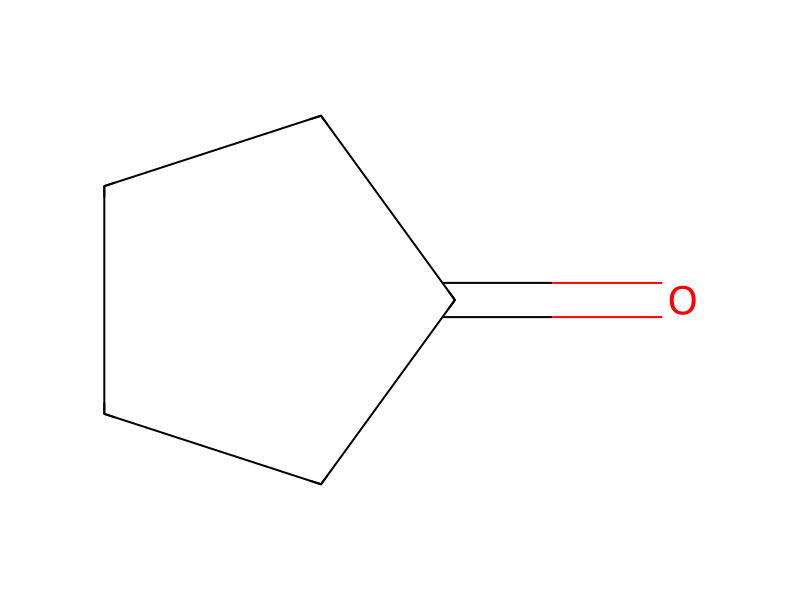


Product 1

Reagents, catalysts & solvents 2


Procedure
A mixture of 1,2,3,4-tetramethyl-3-piperidineethanamine (2.0 g, 10.7 mmol), ethanol (50 mL), cyclopentanone (950 μL, 10.7 mmol) and 10% palladium on carbon (1.0 g) was placed on a Parr hydrogenator under 50 psi of hydrogen pressure for four hours. The reaction mixture was filtered to remove the catalyst and the solvent was removed in vacuo to afford 2.5 g (93%) of N-cyclopentyl-1,2,3,4-tetramethyl-3-piperidineethanamine as a yellow oil. The product was dissolved in ether/ethanol and treated with ethereal HCl to afford the product as a dihydrochloride hemihydrate. The dihydrochloride hemihydrate was isolated as a white powder and had a melting point of 201°-202.5° C.
Workup
- filtrationThe reaction mixture was filtered
- customto remove the catalyst
- customthe solvent was removed in vacuo
Sources & evidence
- ORD record
- ord-a5f59b179aa74138a3c26c965369743f
- Source dataset
- uspto-grants-1994_03
- Patent number
- US05290796
Reaction notes
Loading…