Potassium Carbonate → HCID 23666225, compound
Reaction equation

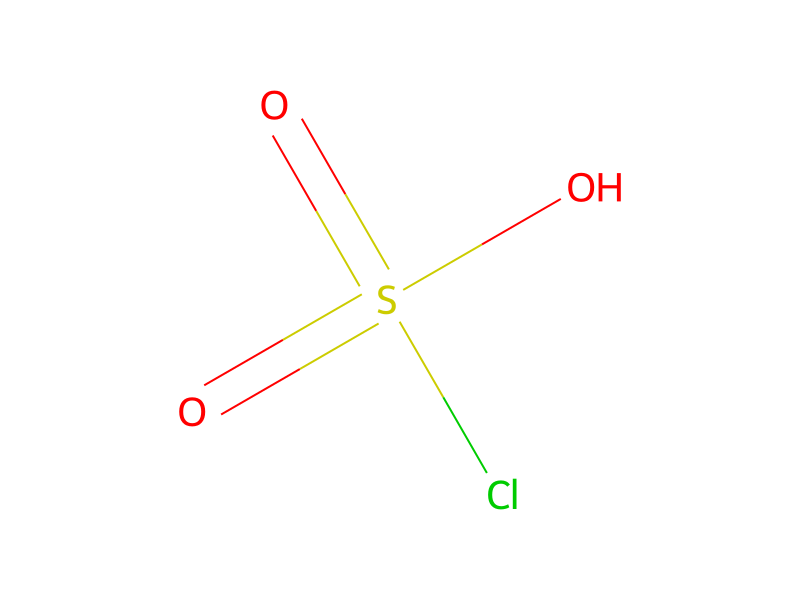
[OH:1][C:2]1[CH:7]=[CH:6][C:5]([NH:8][C:9]2[C:14]([NH:15][S:16]([C:19]3[CH:24]=[CH:23][C:22]([O:25][CH3:26])=[CH:21][CH:20]=3)(=[O:18])=[O:17])=[CH:13][CH:12]=[CH:11][N:10]=2)=[CH:4][CH:3]=1.Cl[S:28]([OH:31])(=[O:30])=[O:29].C(=O)([O-])[O-].[K+:36].[K+]>N1C=CC=CC=1>[S:28]([O-:31])([O:1][C:2]1[CH:7]=[CH:6][C:5]([NH:8][C:9]2[C:14]([NH:15][S:16]([C:19]3[CH:24]=[CH:23][C:22]([O:25][CH3:26])=[CH:21][CH:20]=3)(=[O:18])=[O:17])=[CH:13][CH:12]=[CH:11][N:10]=2)=[CH:4][CH:3]=1)(=[O:30])=[O:29].[K+:36]Participants
5
Reactant 3


Product 1

Reagents, catalysts & solvents 1

Procedure
2.0 g (5.38 mmol) of the compound of Example 6 was dissolved in 20 ml of pyridine. 800 mg (6.87 mmol) of chlorosulfonic acid (95%) was added dropwise thereto at -15° to -10° C. The temperature was slowly elevated to room temperature and the mixture was stirred for 3 days. A 1N aqueous potassium carbonate solution was added to the reaction mixture to adjust the pH to 8 to 9. The solvent was distilled off under reduced pressure. Water and ethyl acetate were added to the residue and an aqueous layer thus formed was separated, concentrated, purified by silica gel column chromatography and precipitated with methanol/dichloromethane to obtain 1.58 g of the title compound.
Workup
- customat -15° to -10° C
- customwas slowly elevated to room temperature
- distillationThe solvent was distilled off under reduced pressure
- additionWater and ethyl acetate were added to the residue
- customan aqueous layer thus formed
- customwas separated
- concentrationconcentrated
- custompurified by silica gel column chromatography
- customprecipitated with methanol/dichloromethane
Sources & evidence
- ORD record
- ord-07c664627c514fcd9ea2dcaf1bfd2c45
- Source dataset
- uspto-grants-1994_03
- Patent number
- US05292758
Reaction notes
Loading…