Ammonium formate → HCID 19095961, compound
Reaction equation

[CH2:1]([O:3][C:4]([C:6]1([CH2:19][C:20]([O:22][CH2:23][CH3:24])=[O:21])[CH2:17][N:9]2[C:10]3[CH:11]=[CH:12][CH:13]=[CH:14][C:15]=3[CH:16]=[C:8]2[C:7]1=[O:18])=[O:5])[CH3:2].C([O-])=O.[NH4+]>CO.[Pd]>[CH2:1]([O:3][C:4]([C:6]1([CH2:19][C:20]([O:22][CH2:23][CH3:24])=[O:21])[CH2:17][N:9]2[C:10]3[CH:11]=[CH:12][CH:13]=[CH:14][C:15]=3[CH:16]=[C:8]2[CH:7]1[OH:18])=[O:5])[CH3:2]Participants
5
Reactant 2
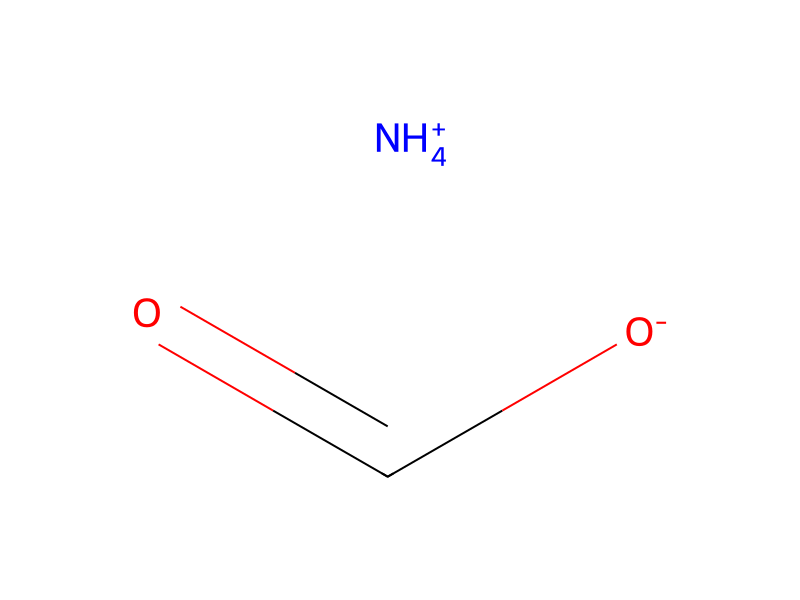

Product 1

Reagents, catalysts & solvents 2


Procedure
A solution of 17.7 g of ethyl 2-(ethoxy-carbonyl)-2,3-dihydro-1-oxo-1H-pyrrolo[1,2-a]indole-2-acetate in 200 ml of methanol was treated under a nitrogen atmosphere with 1.5 g of 10% palladium-on-charcoal and 10 g of ammonium formate. The mixture was heated at reflux for 1.5 hours, then cooled and filtered. The filtrate was concentrated and the residue was partitioned between ethyl acetate and water. The organic layer was washed with sodium chloride solution and dried. Evaporation of the solvent gave 16.5 g of ethyl 2-(ethoxycarbonyl)-2,3-dihydro-1-hydroxy-1H-pyrrolo[1,2-a]indole-2-acetate
Workup
- temperatureThe mixture was heated
- temperatureat reflux for 1.5 hours
- temperaturecooled
- filtrationfiltered
- concentrationThe filtrate was concentrated
- customthe residue was partitioned between ethyl acetate and water
- washThe organic layer was washed with sodium chloride solution
- customdried
- customEvaporation of the solvent
Sources & evidence
- ORD record
- ord-b08751123b484f6eabc5100e727818ba
- Source dataset
- uspto-grants-1994_03
- Patent number
- US05292747
Reaction notes
Loading…